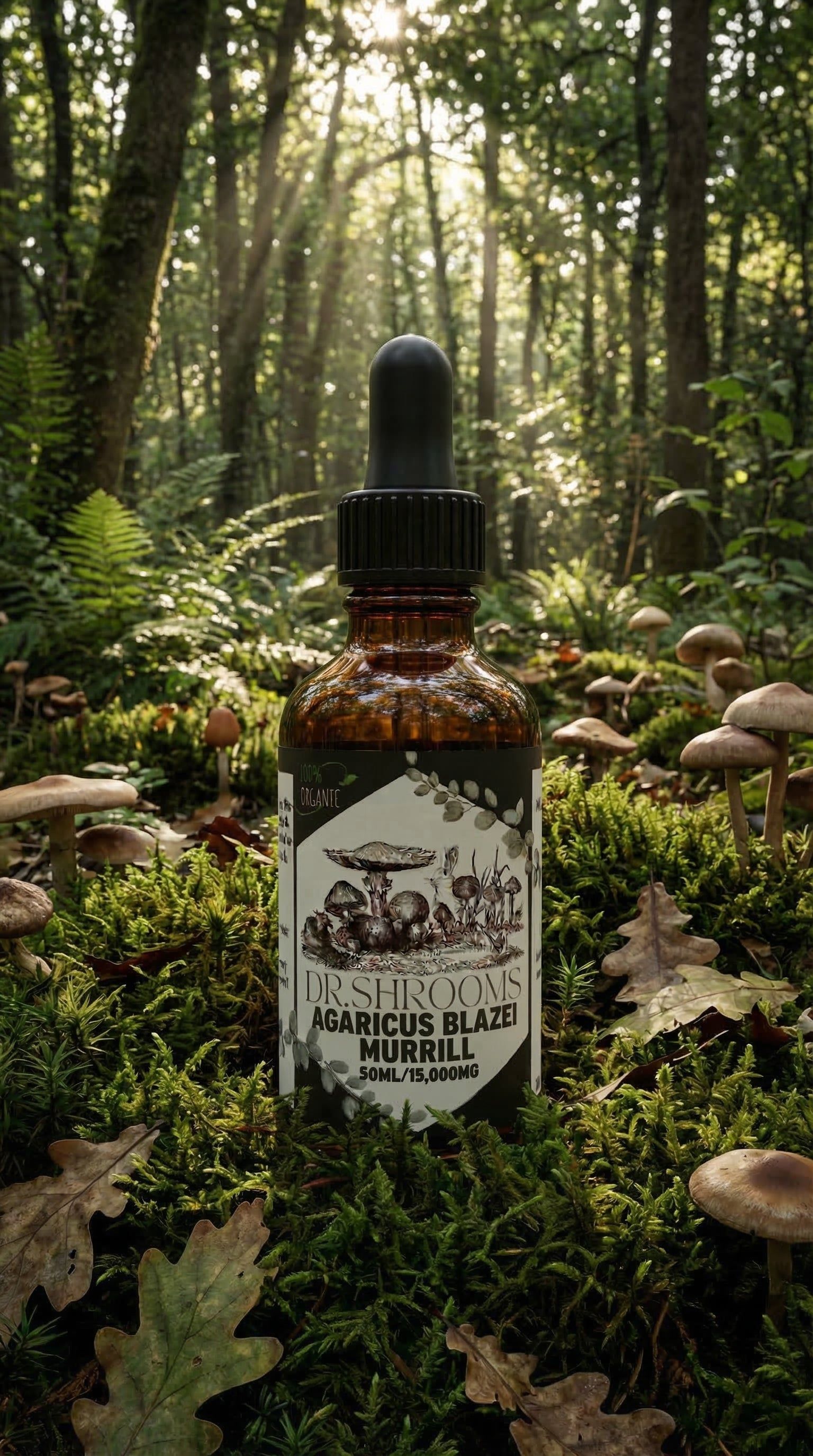
A deep-rooted immune tonic from the Brazilian rainforest.
Agaricus Blazei Murrill, known in Brazil as the “mushroom of the sun”, is one of the richest natural sources of beta-glucans in the mushroom kingdom. Prized in Japanese and Brazilian traditions for generations, it has become one of the most researched culinary-medicinal mushrooms in the world.
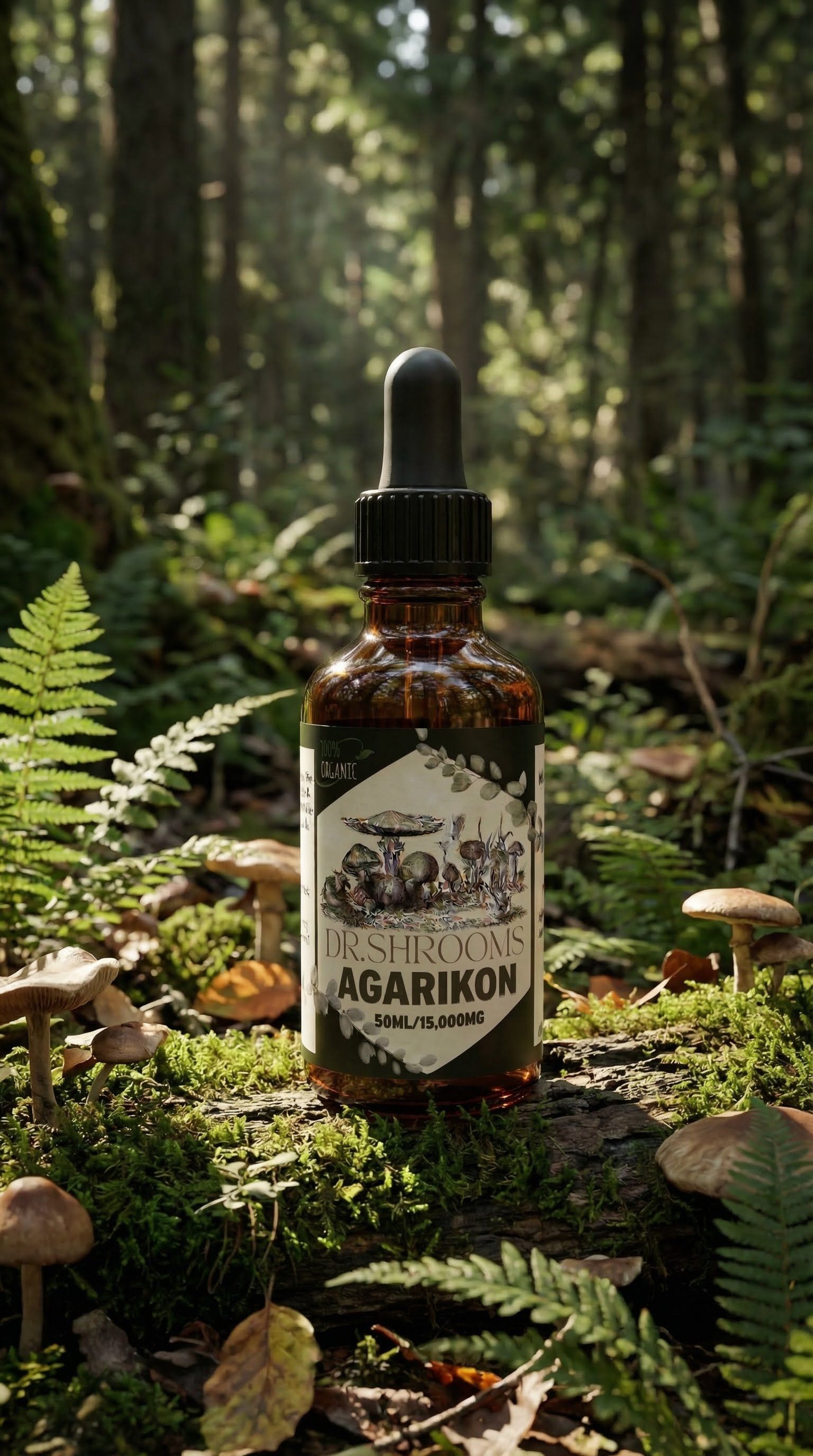
The ancient mushroom of the old-growth forests.
Agarikon is one of the oldest recorded medicinal mushrooms, described by the ancient Greek physician Dioscorides and treasured for centuries as a tonic for the chest and airways. Today it is one of the rarest mushrooms still in use, growing slowly on ancient conifers.
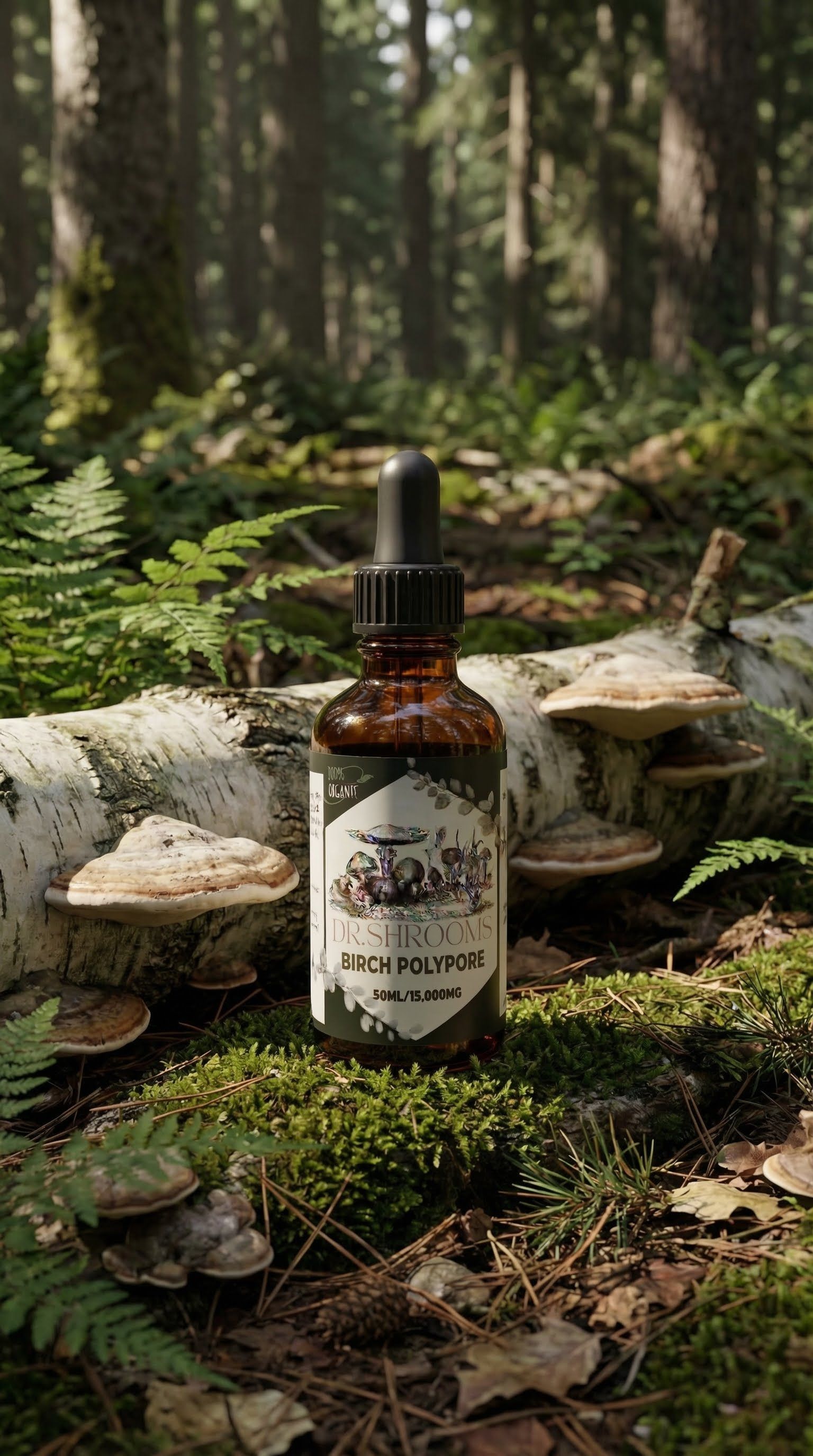
The mushroom Ötzi the Iceman carried 5,300 years ago.
When Ötzi the Iceman was discovered in the Alps, he was carrying pieces of Birch Polypore strung on a leather thong — evidence that this humble birch mushroom has been valued by humans for at least 5,300 years. Traditionally used across Europe as a digestive tonic, it draws unique compounds from its birch host tree, including betulinic acid.
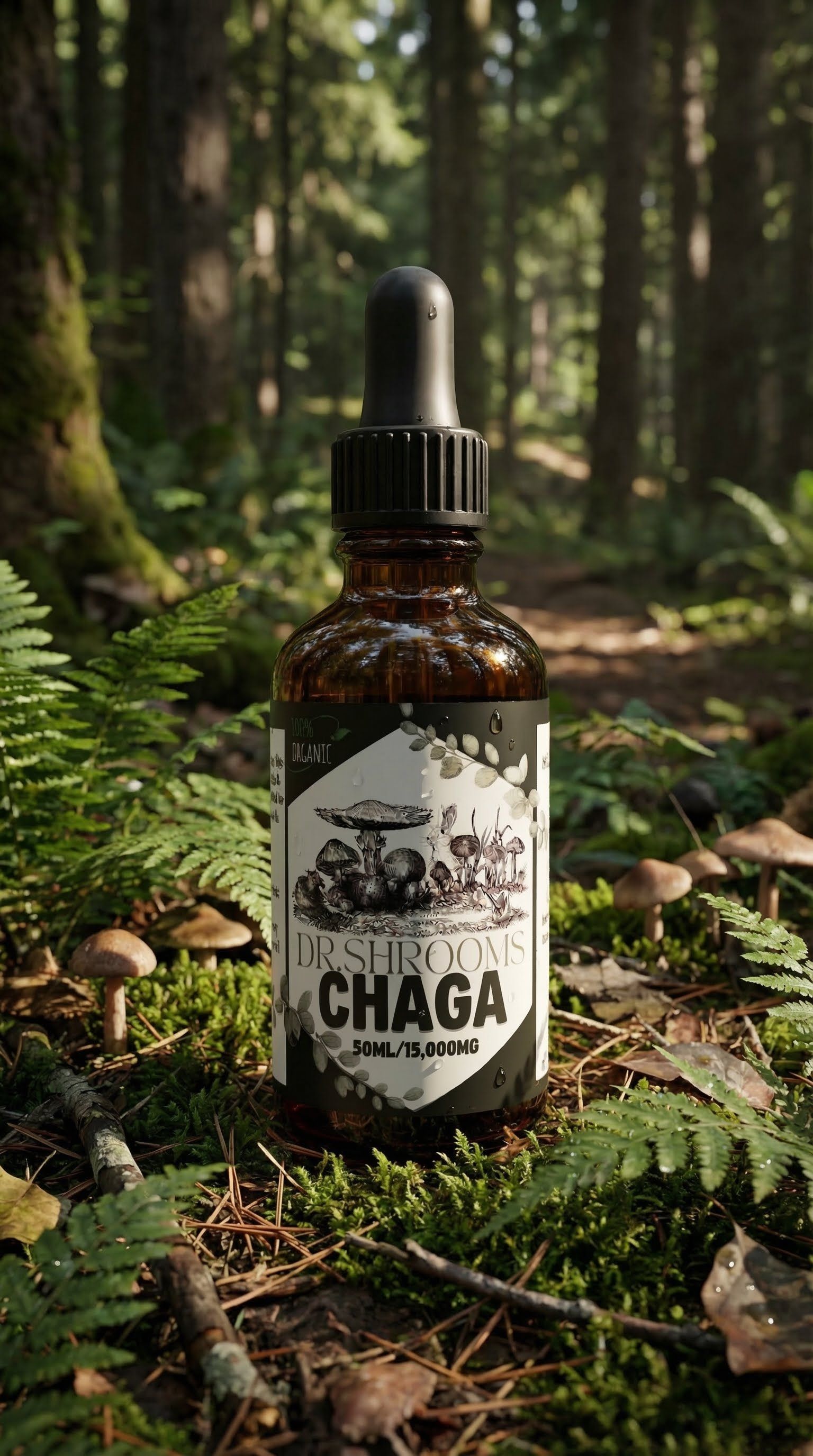
The king of the birch forest.
Chaga grows slowly on living birch trees in the cold northern forests of Siberia, Scandinavia and Canada, where it has been brewed as a daily tea for centuries. It is famed for its exceptional antioxidant content — and because it only develops its full character on living birch, how it is sourced matters.
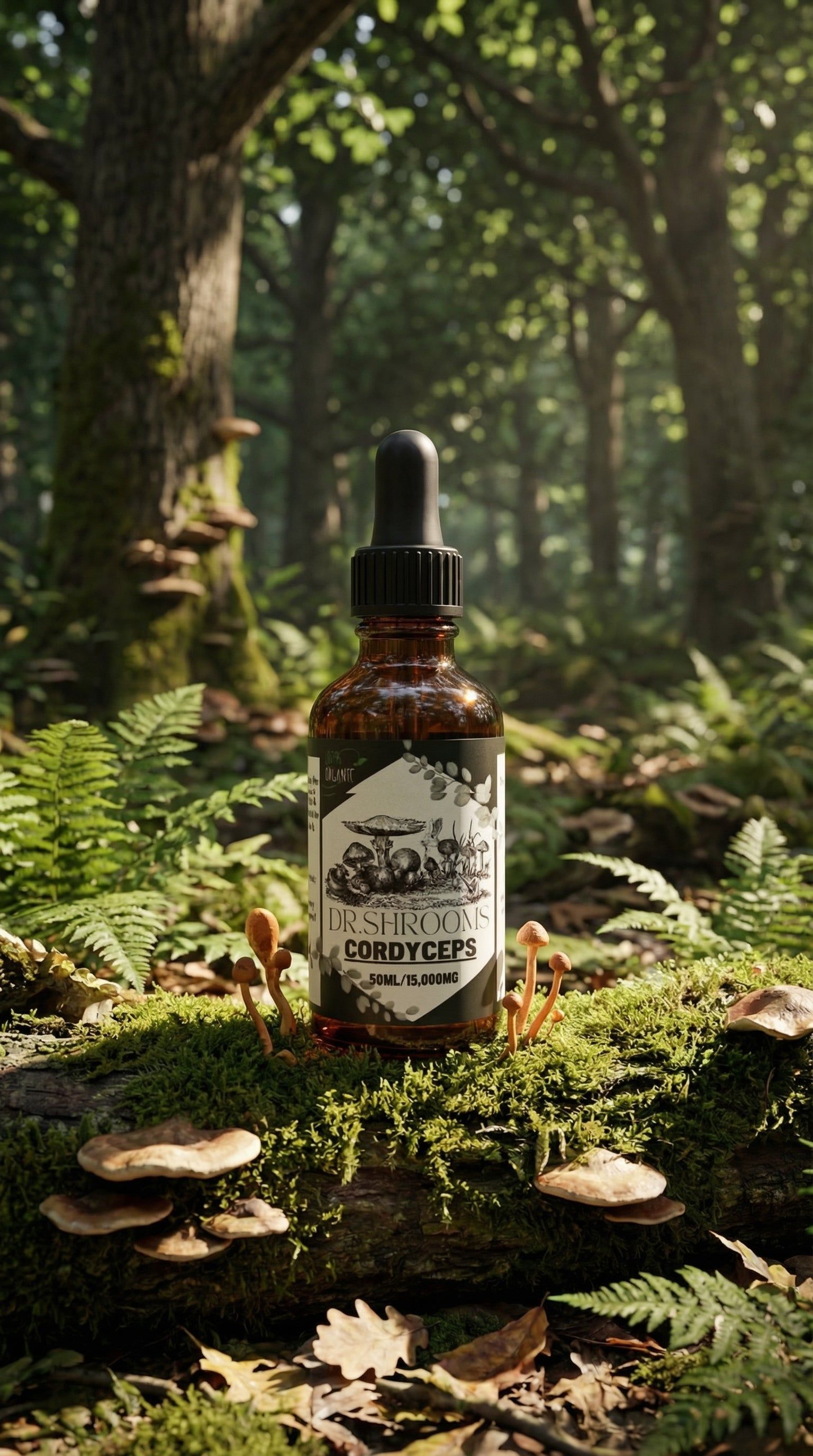
Clean, natural energy from the mountain mushroom.
CordycepsNot for human consumption has been prized in Tibetan and Chinese tradition for centuries, first noticed by Himalayan herders whose yaks grazed where it grew. It is traditionally used as a tonic for energy, stamina and vitality — sustained energy from within, rather than the spike and crash of stimulants.
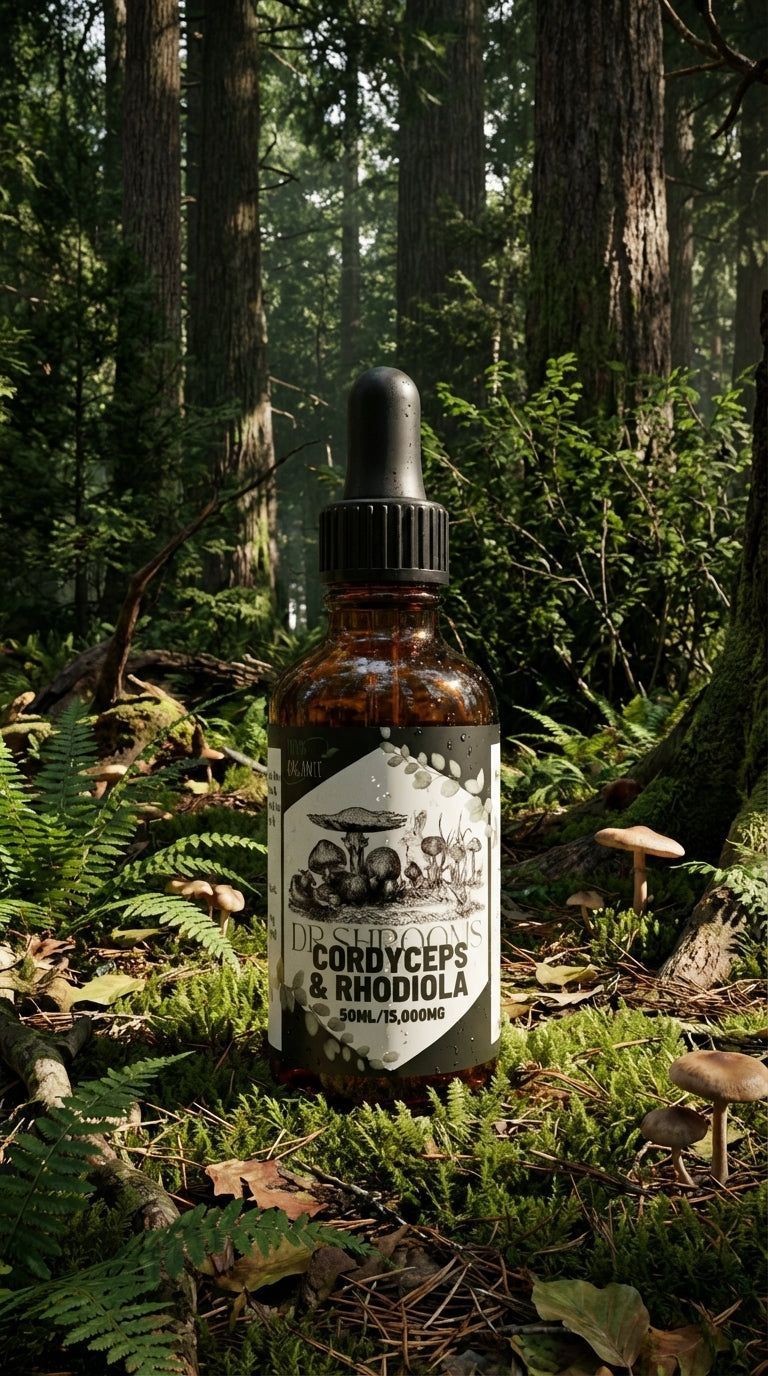
Body and mind, working together.
Two of the world’s best-known adaptogens in one tincture. CordycepsNot for human consumption, the Himalayan mushroom traditionally used for energy and stamina, meets Rhodiola, the golden root of the Arctic, traditionally used by Scandinavian and Siberian peoples to stay sharp through long, hard winters.
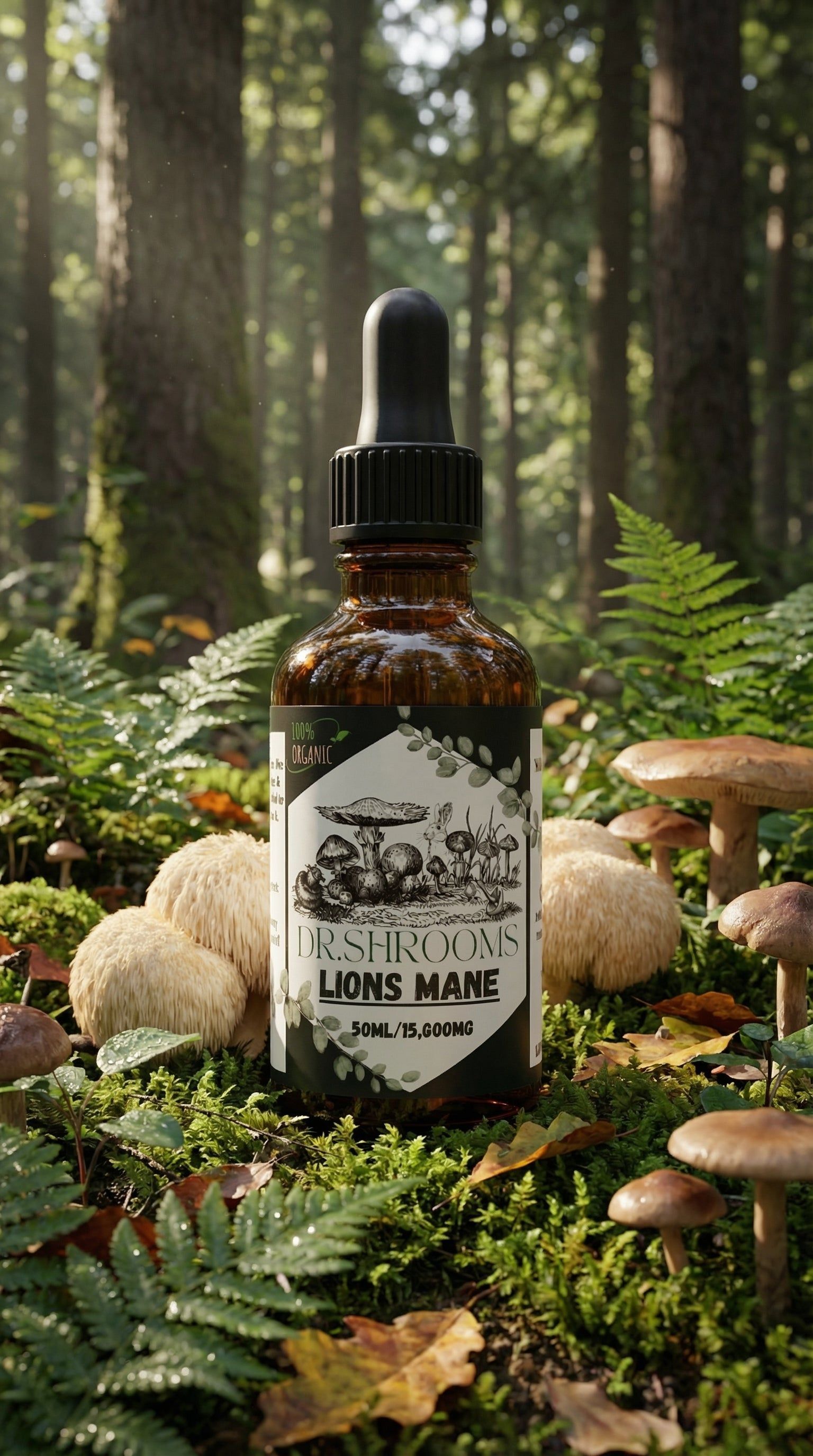
The mushroom for a clear, focused mind.
With its cascading white spines, Lion’s Mane is one of the most striking mushrooms in the forest — and one of the most researched. Traditionally enjoyed in China and Japan, where Buddhist monks were said to take it before meditation, it is famous today for its unique hericenones and erinacines.
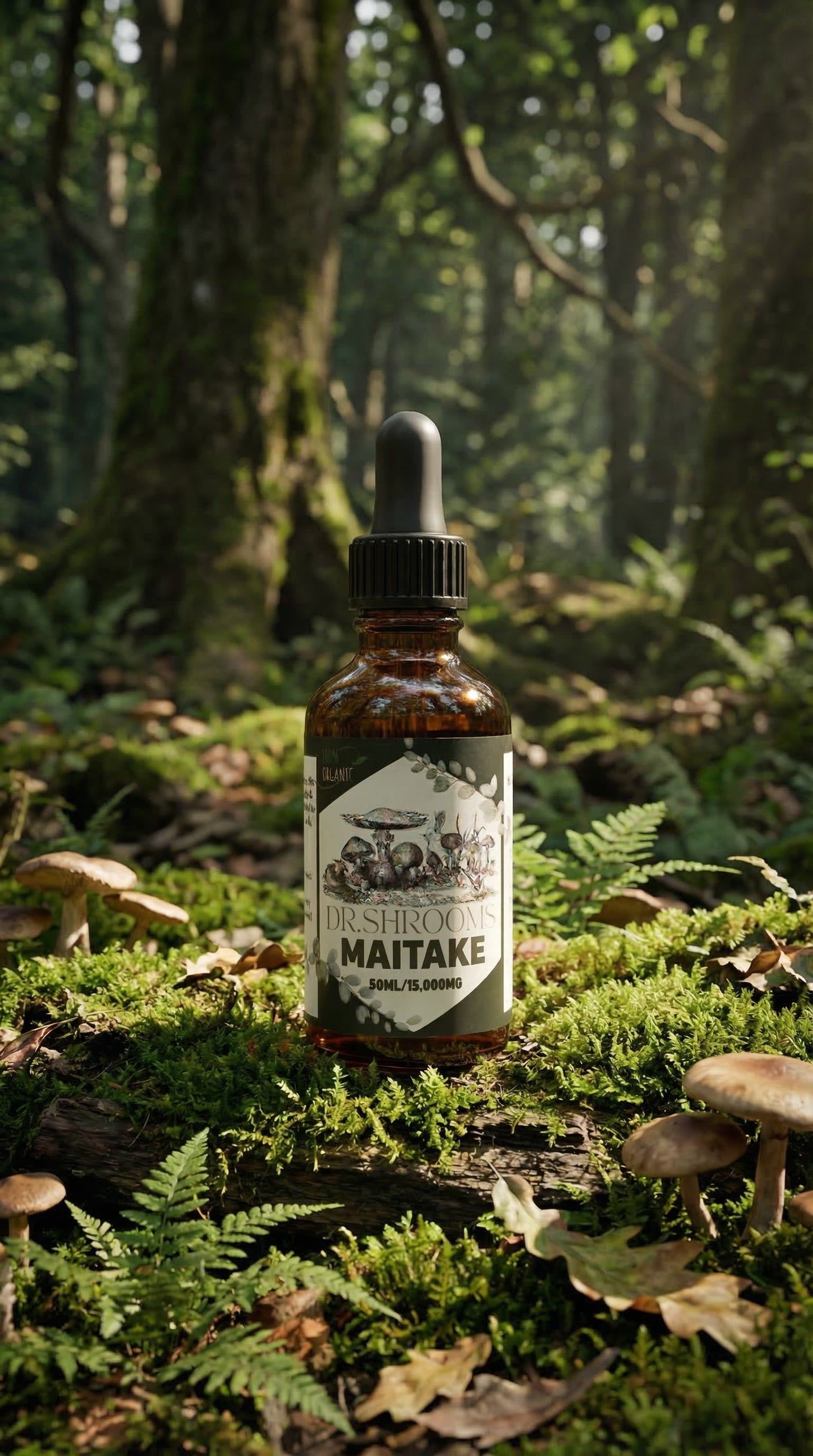
The dancing mushroom — an all-round daily tonic.
In Japan, Maitake means “dancing mushroom” — said to be what foragers did when they found one. Prized for centuries as both a delicacy and a tonic, it is best known for its unique polysaccharide fractions.
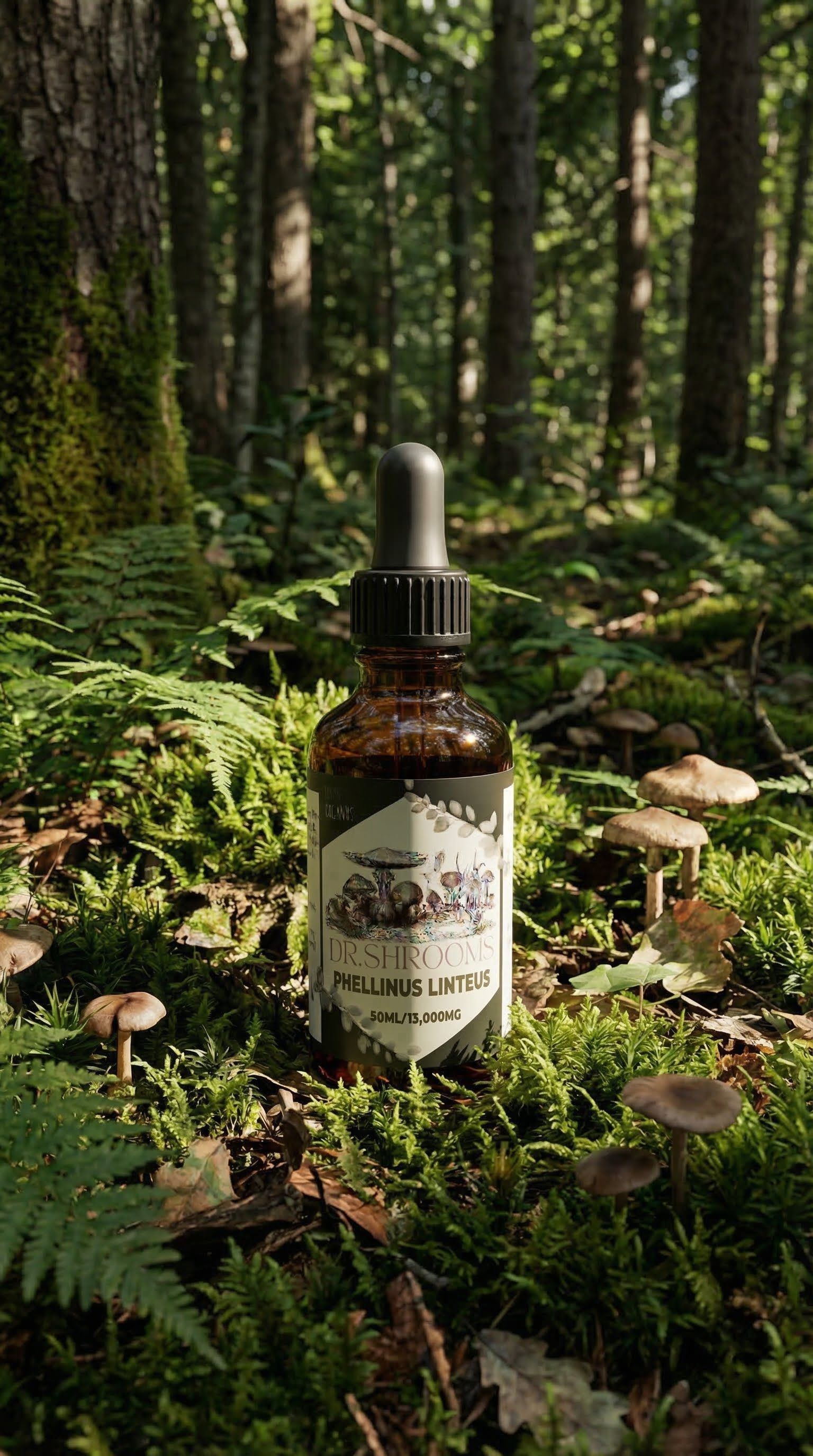
The mulberry mushroom of Korea and Japan.
Known as Sang Hwang in Korea and Meshimakobu in Japan, Phellinus Linteus is one of the most treasured mushrooms in East Asian tradition. Genuine Phellinus Linteus is notoriously difficult to source — it grows slowly on mulberry trees, which shapes its unique profile.
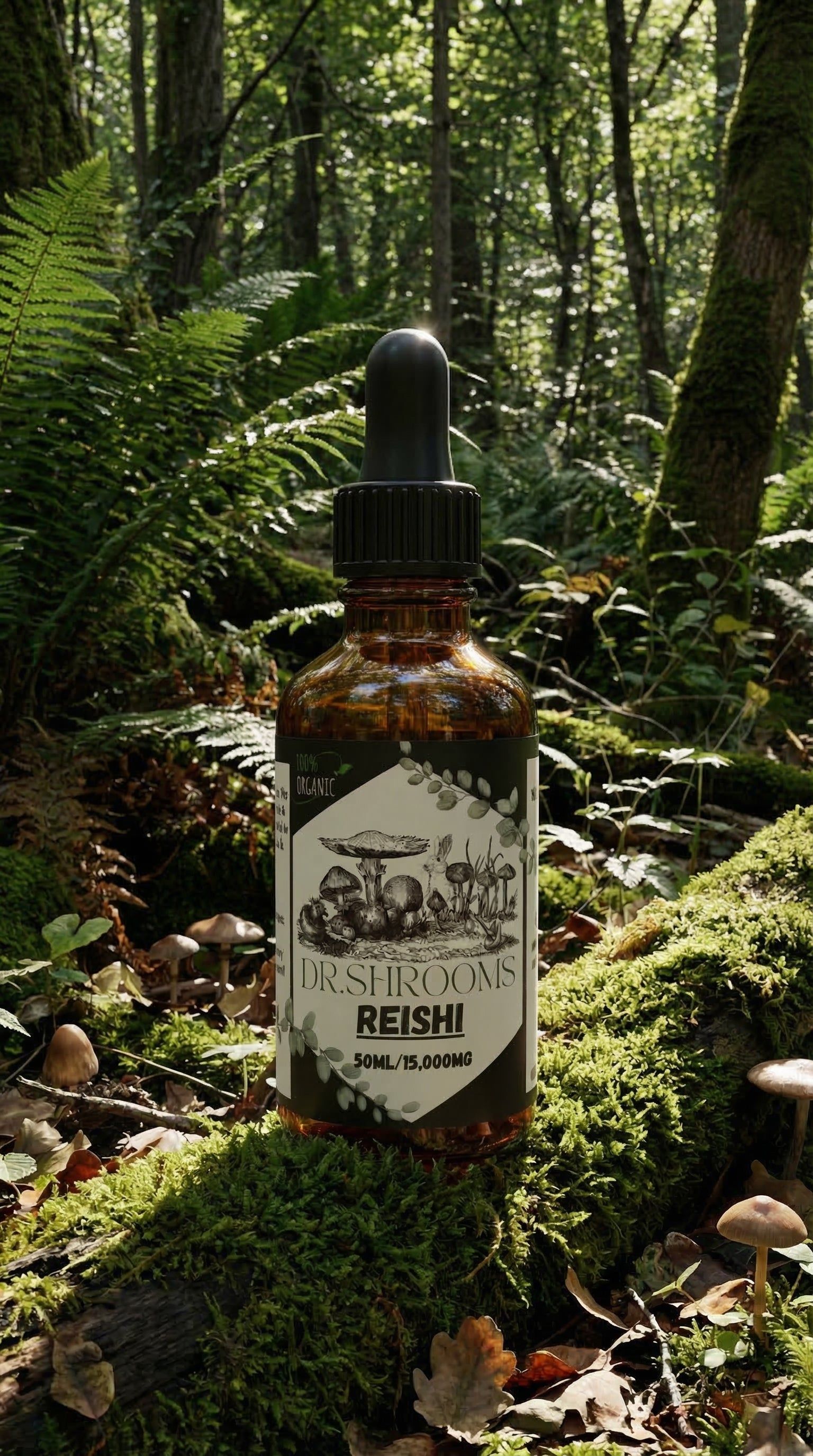
The mushroom of immortality.
For more than 2,000 years, Reishi — Lingzhi in China — has been revered as the “mushroom of immortality”, reserved in ancient times for emperors. It is traditionally used to calm the mind and support restful sleep, and it is one of the most celebrated tonic mushrooms in the world.
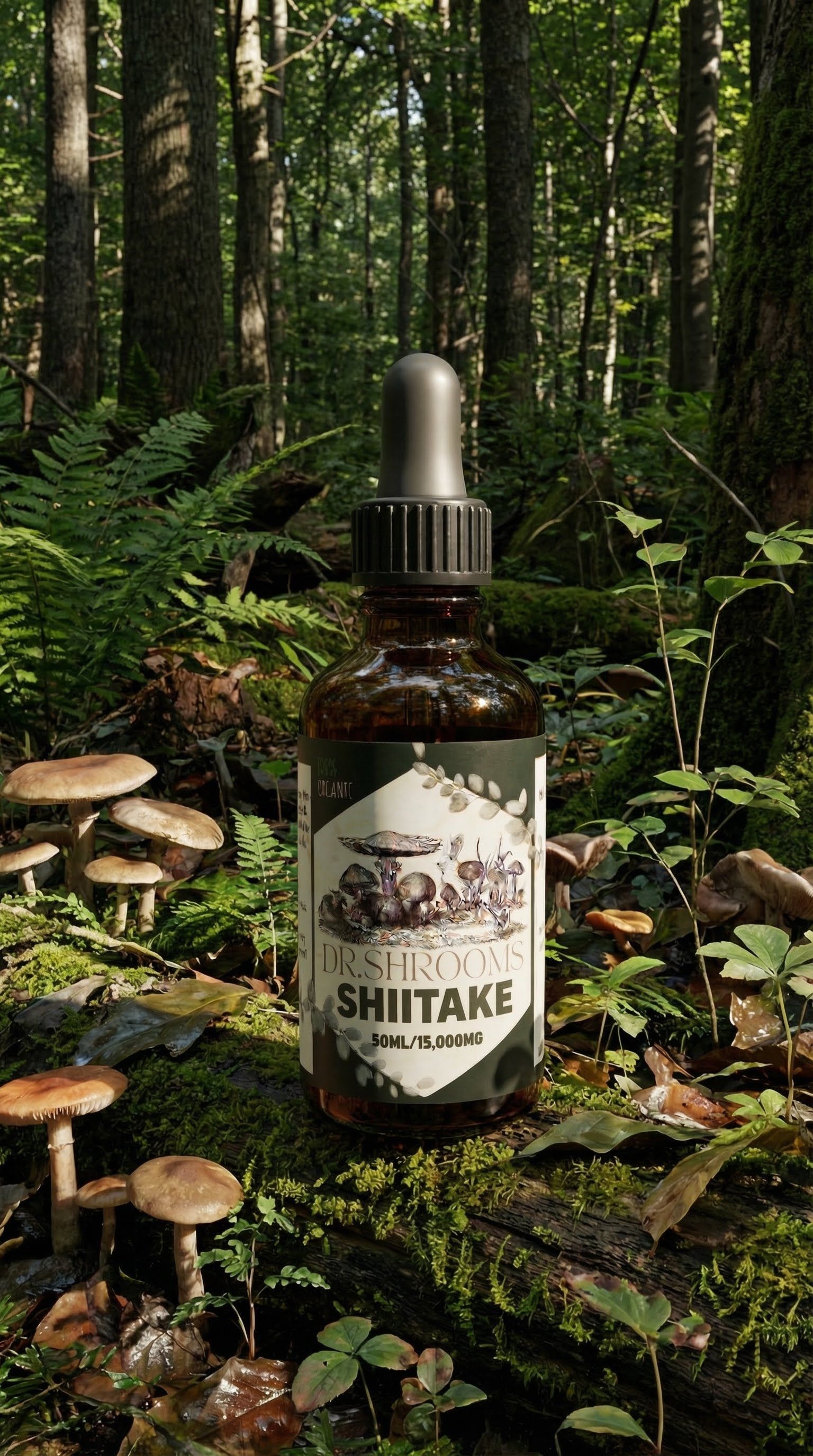
The world’s best-loved culinary mushroom.
Shiitake has been cultivated on logs in Japan and China for over 1,000 years, and is the most widely eaten medicinal mushroom in the world. Beyond the kitchen, it has long been valued as a daily tonic — naturally rich in lentinan, eritadenine and B-vitamins.
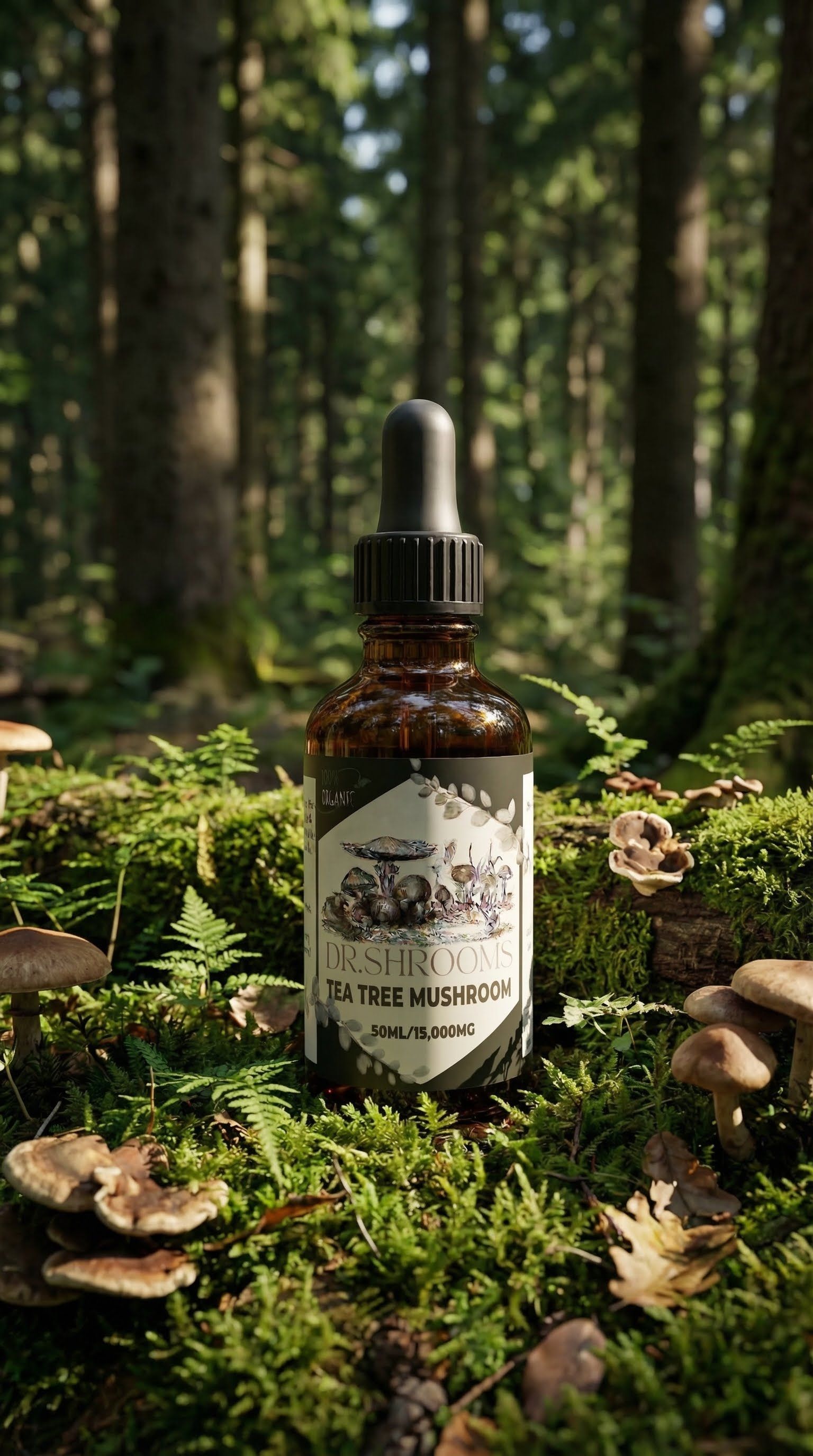
Quiet strength. Daily nourishment.
Tea Tree Mushroom (Agrocybe aegerita, also known as the black poplar mushroom) has been used in traditional Chinese practice for over a thousand years as a gentle tonic for vitality and appetite. It is the everyday mushroom that quietly supports your routine without any fanfare.
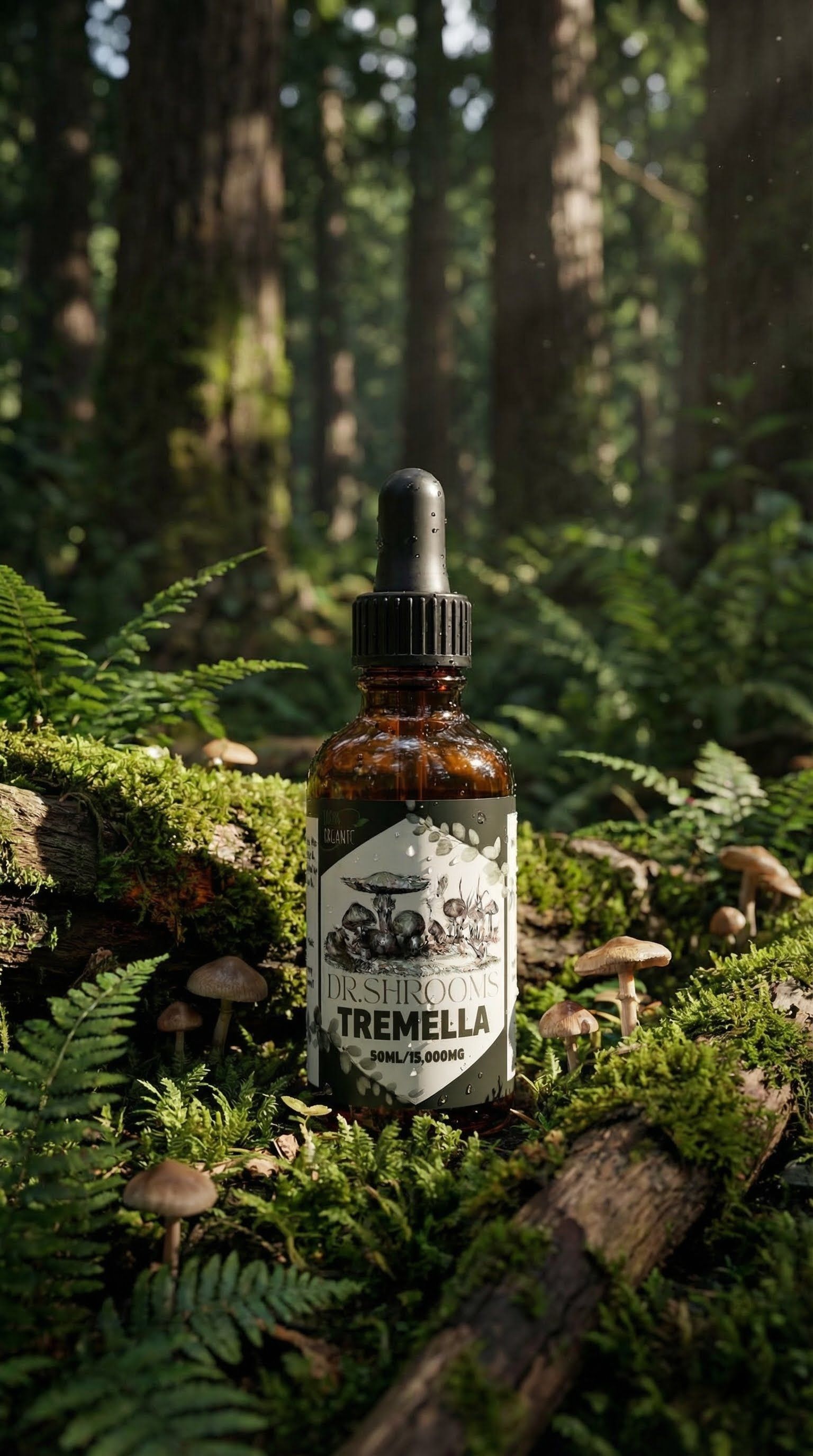
The beauty mushroom — radiance from within.
For over 2,000 years, Tremella — the delicate “snow fungus” — has been a treasured beauty tonic in Chinese tradition, famously favoured by the legendary beauty Yang Guifei. Its polysaccharides can hold several hundred times their weight in water.
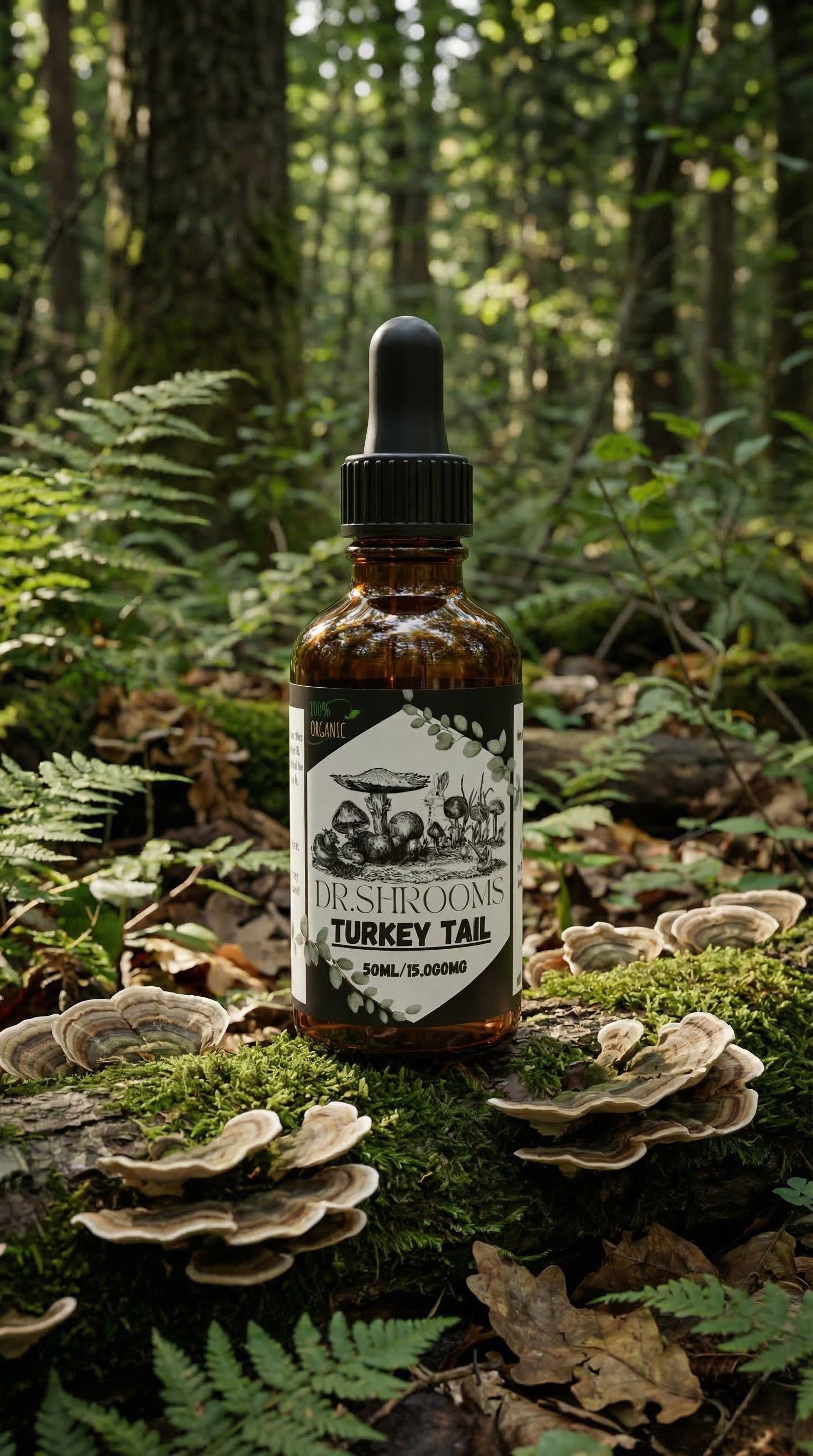
One of the most researched mushrooms in the world.
Named for its fan of banded colours, Turkey TailNot for human consumption grows on fallen hardwood in forests all over the world and has been used in traditional Chinese and Japanese practice for centuries. Its polysaccharides PSK and PSP make it one of the most researched mushrooms on earth.