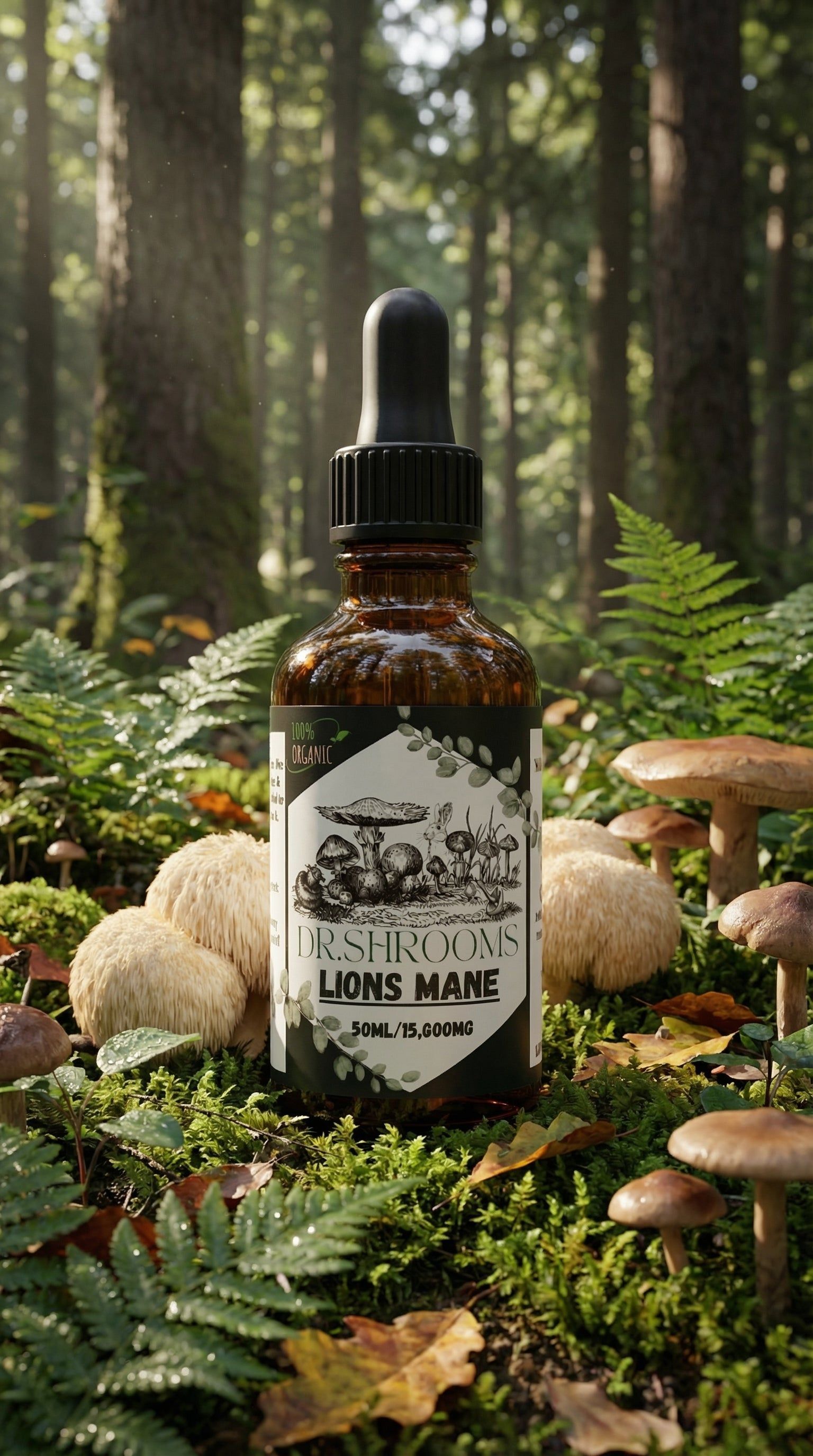
The mushroom for a clear, focused mind.
With its cascading white spines, Lion’s Mane is one of the most striking mushrooms in the forest — and one of the most researched. Traditionally enjoyed in China and Japan, where Buddhist monks were said to take it before meditation, it is famous today for its unique hericenones and erinacines.
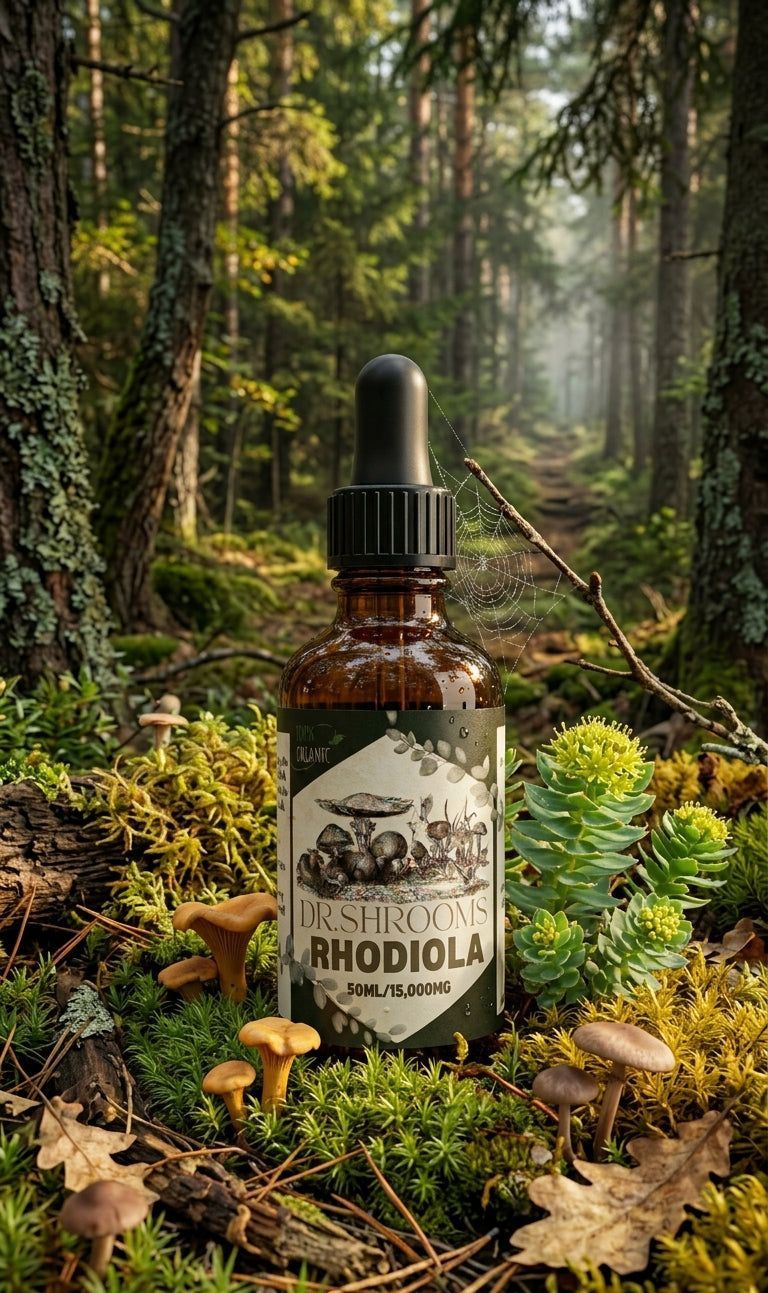
The golden root of the Arctic.
Rhodiola rosea grows in the harsh cold of the Arctic and high mountains, and has been used for centuries by Scandinavian and Siberian peoples to stay strong through long, hard winters. It is one of the world’s most studied adaptogens.
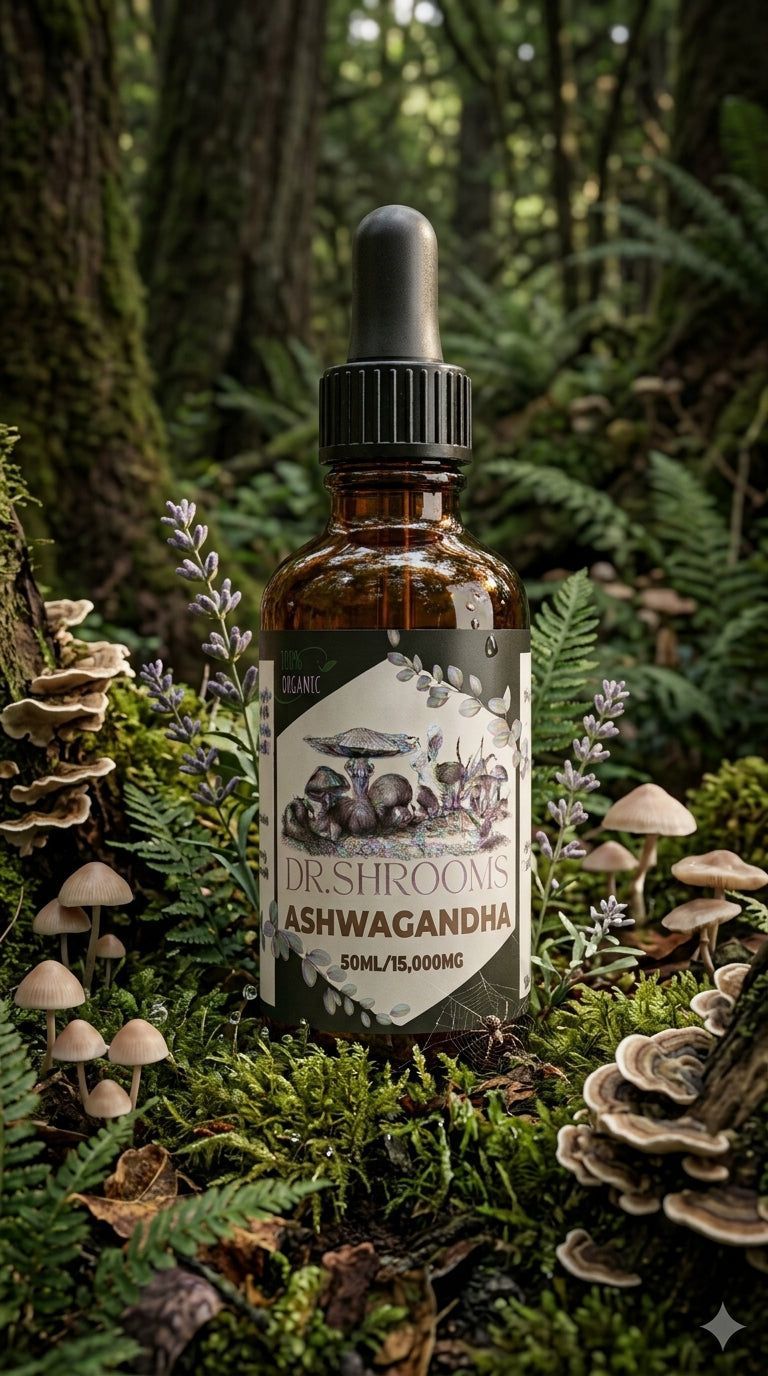
Ayurveda’s great calming root.
For over 3,000 years, Ashwagandha has held a place of honour in Ayurvedic tradition as a rasayana — a rejuvenating tonic for body and mind. It is an adaptogen: a plant traditionally used to help the body adapt to the pressures of everyday life.
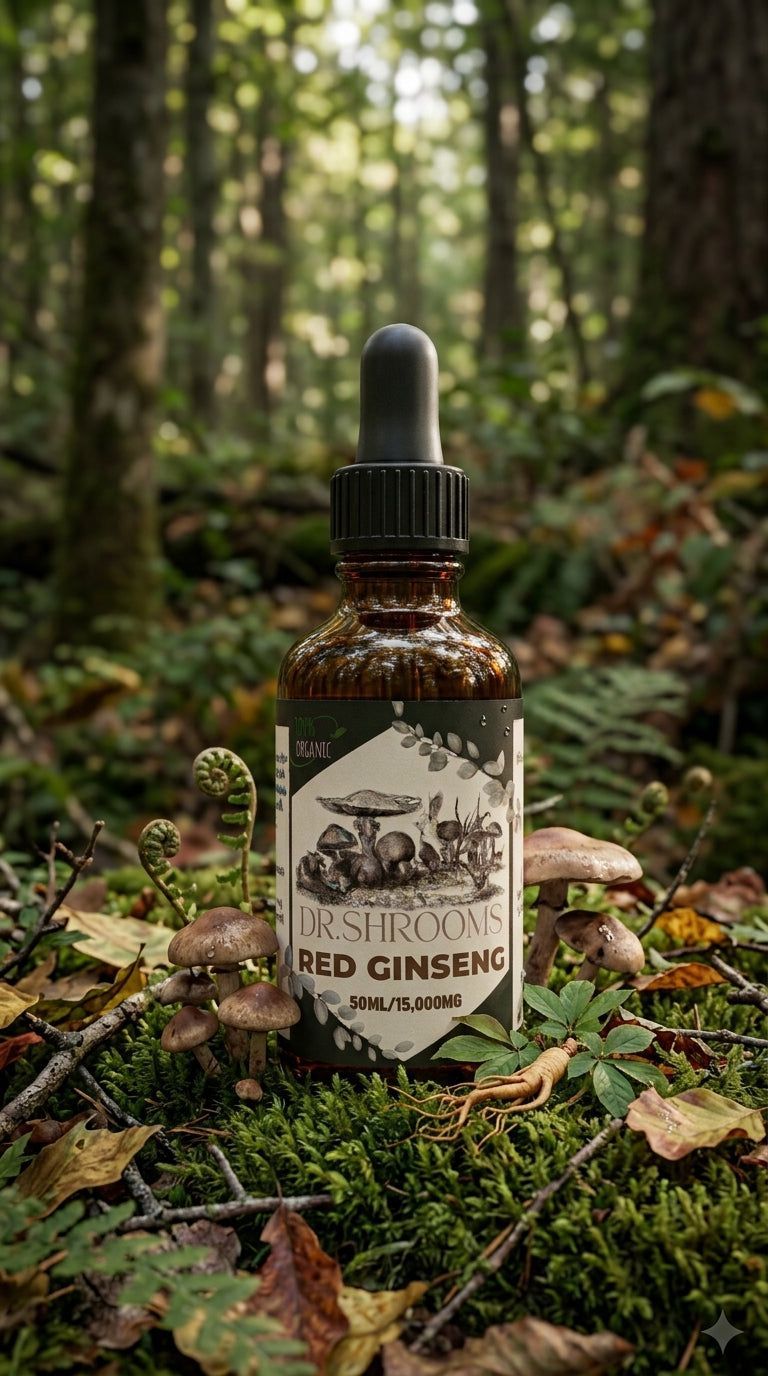
The world’s most time-honoured tonic root.
Korean red ginseng has been treasured for thousands of years as the king of tonic herbs. “Red” ginseng is made by steaming the root before drying — a traditional process that creates distinctive ginsenosides not found in raw white ginseng.
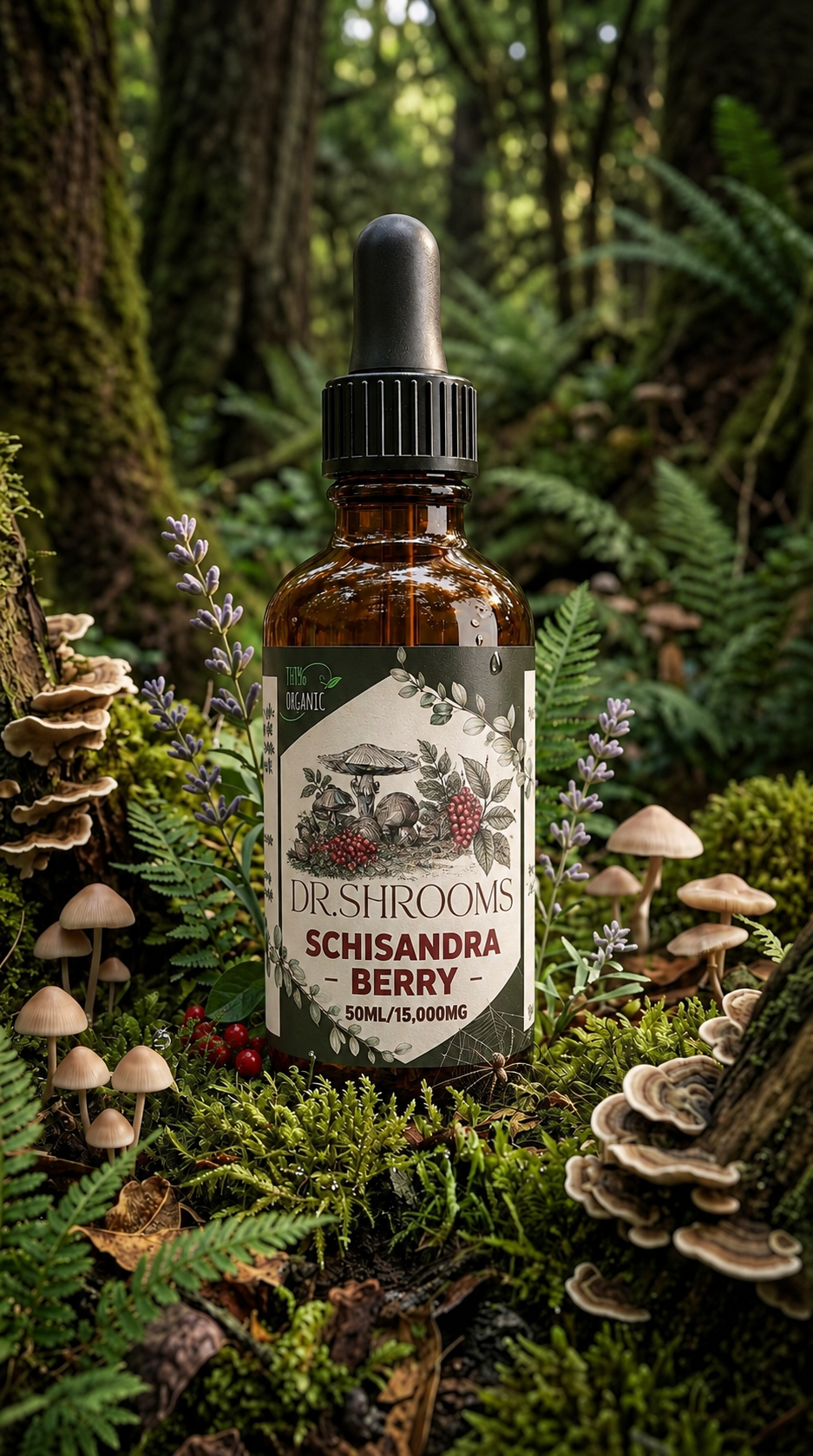
The five-flavour berry.
In Traditional Chinese Medicine, Schisandra is Wu Wei Zi — the “five-flavour fruit” — because a single berry is sour, bitter, sweet, salty and pungent at once. It was traditionally said to nourish every major organ system, and it is valued today as an adaptogen and a tonic for the liver.