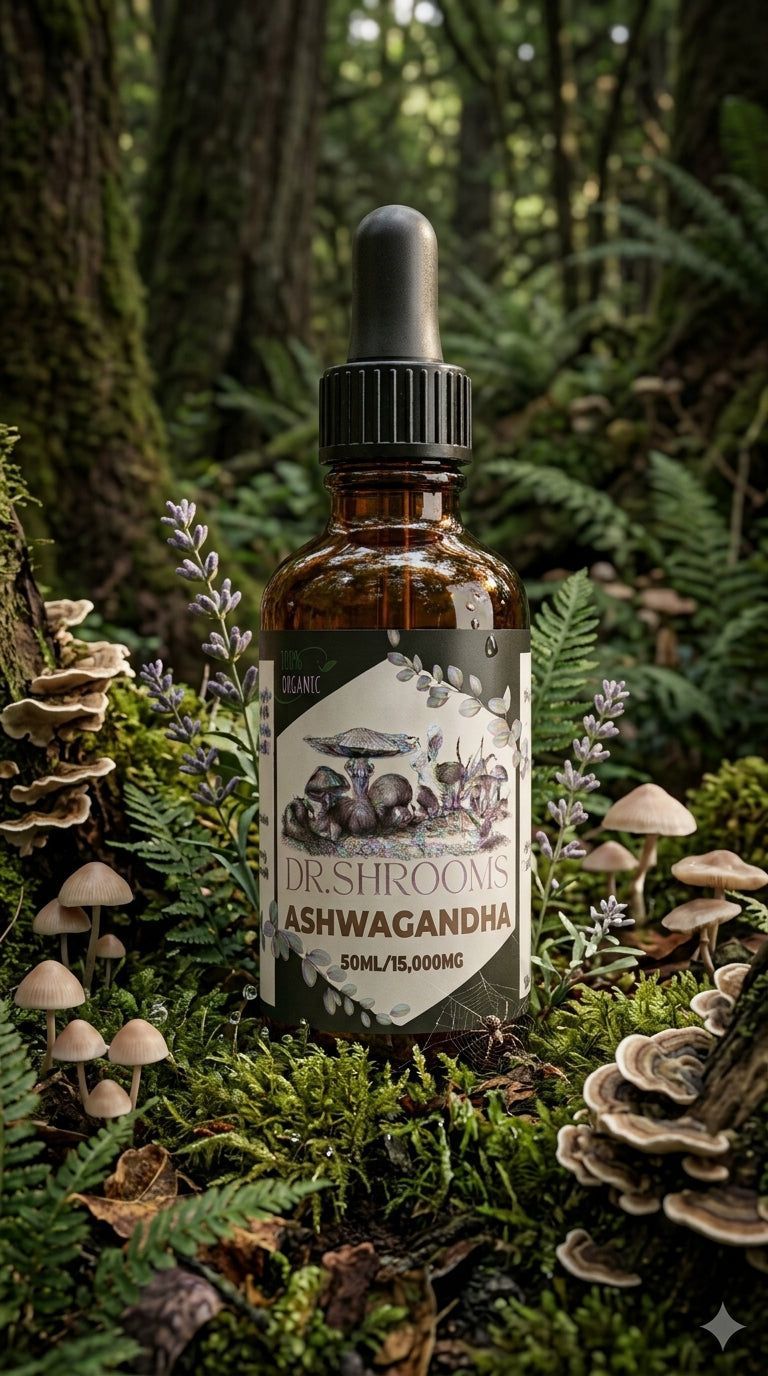
Ayurveda’s great calming root.
For over 3,000 years, Ashwagandha has held a place of honour in Ayurvedic tradition as a rasayana — a rejuvenating tonic for body and mind. It is an adaptogen: a plant traditionally used to help the body adapt to the pressures of everyday life.
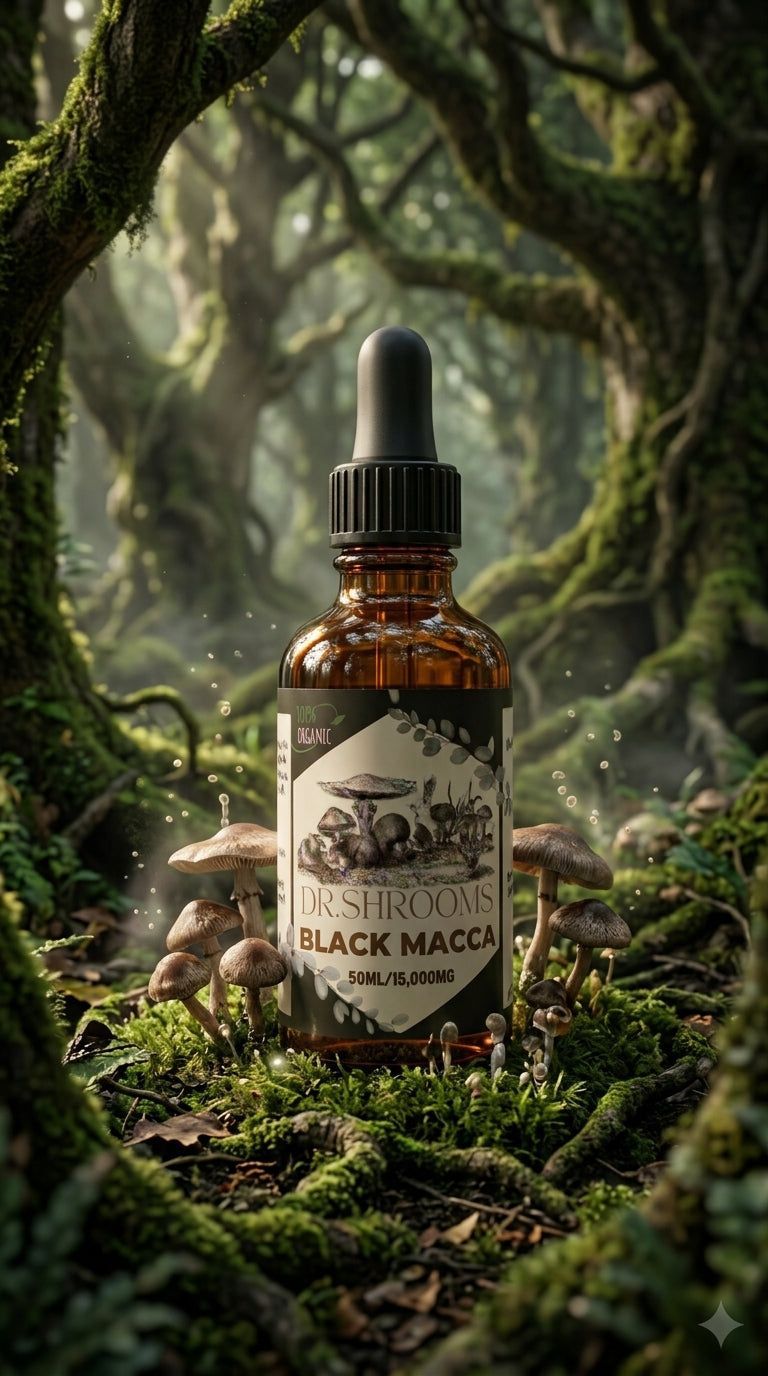
The rarest maca of the high Andes.
Maca has been cultivated in the Peruvian Andes for over 2,000 years, where it grows at altitudes few crops can survive. Of all its colours, black maca is the rarest — just 10 to 15% of each harvest — and has long been the variety most prized for vitality and stamina.
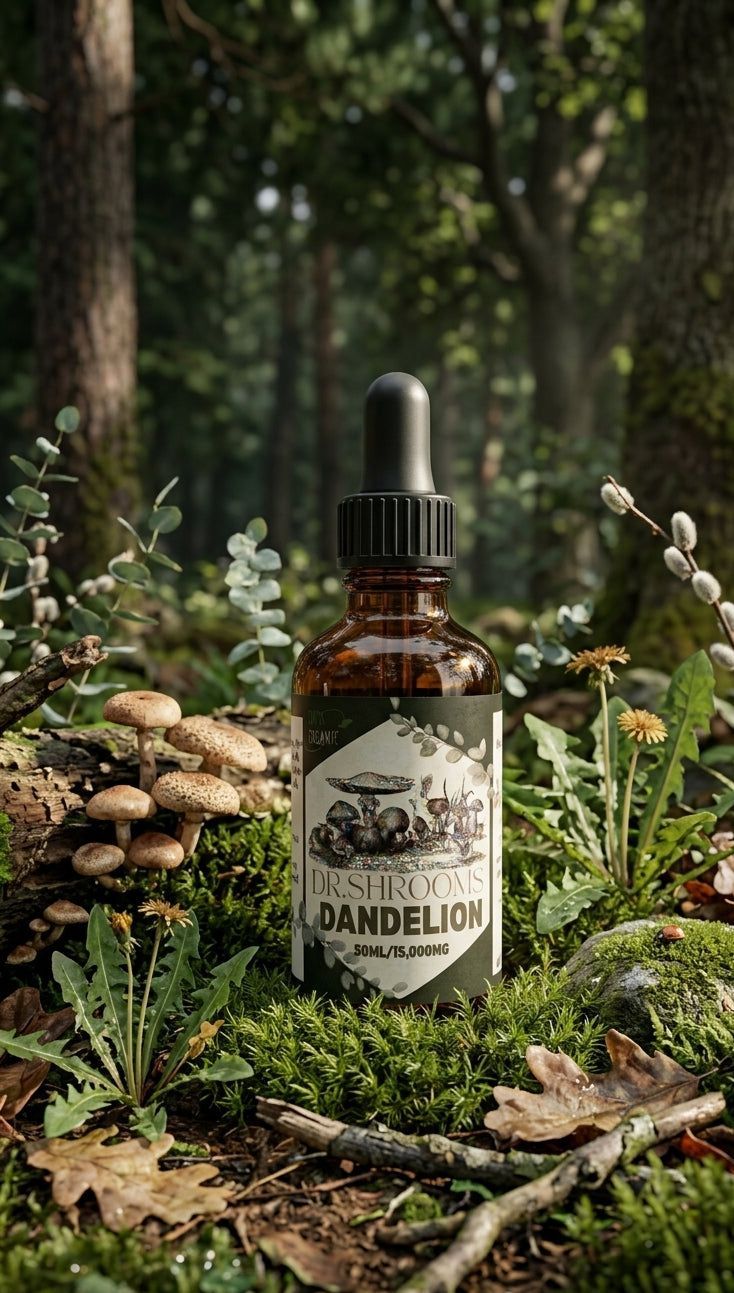
The humble herb with a thousand-year pedigree.
Far more than a garden weed, dandelion has been a trusted herb in European, Chinese and Ayurvedic traditions for over a thousand years. Its bitter root has long been used to support digestion, while its leaves are rich in vitamins and minerals.
The purple coneflower — a winter essential.
Echinacea was one of the most important herbs of the Native American Plains peoples, and today it is one of the best-selling herbs in the world. Traditionally taken through the colder months, it is a staple of the winter cabinet.
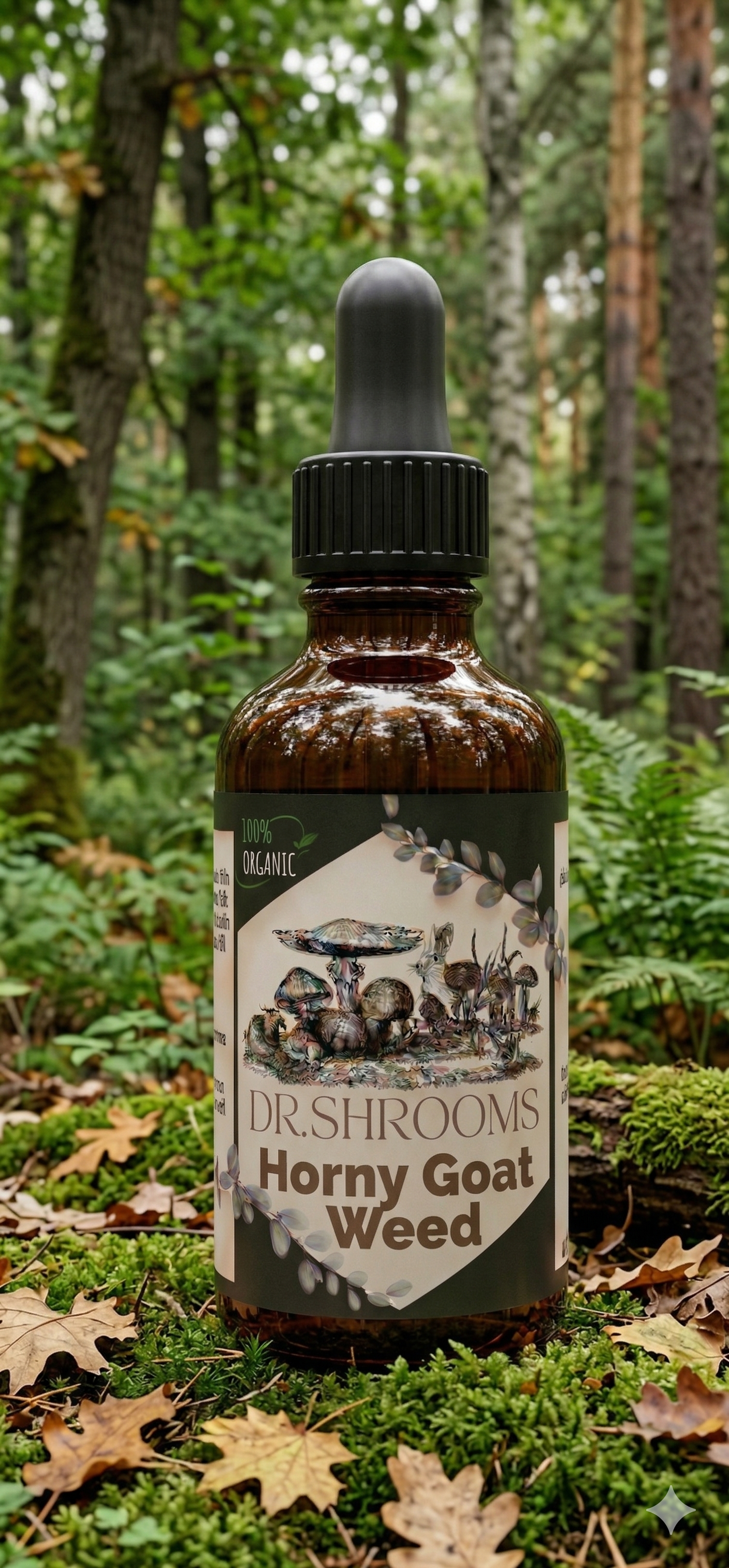
Chinese tradition’s famous vitality herb.
Known in China as Yin Yang Huo, Horny Goat Weed (Epimedium) has been used in traditional Chinese practice for over 2,000 years as a tonic for vitality and drive. Its signature compound, icariin, is what the plant is best known for today.
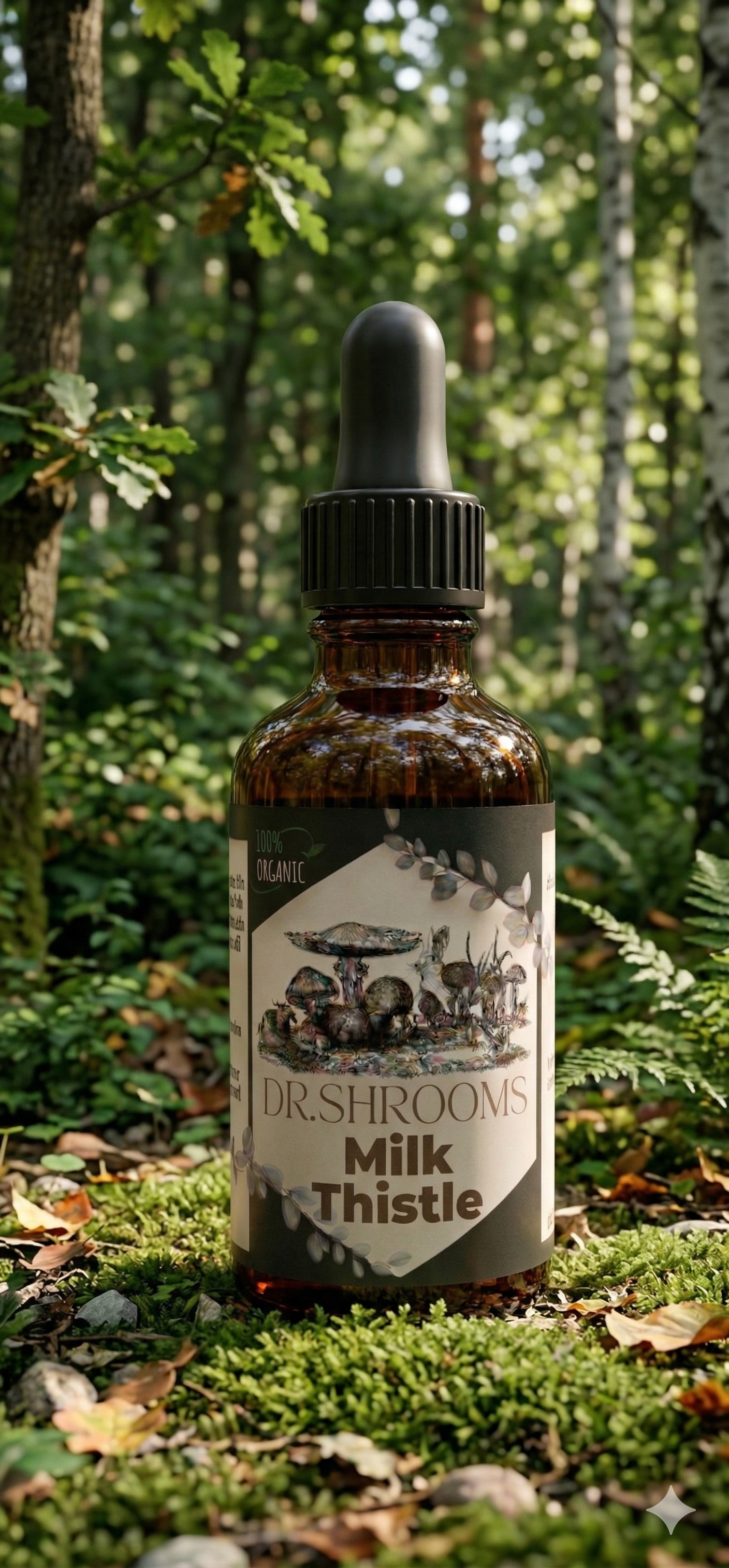
The classic European liver herb.
Milk Thistle has been part of European herbal tradition for over 2,000 years, recorded by Pliny the Elder and still one of the most widely used herbs today. Its seeds are the source of silymarin, one of the most researched plant compounds in the world.
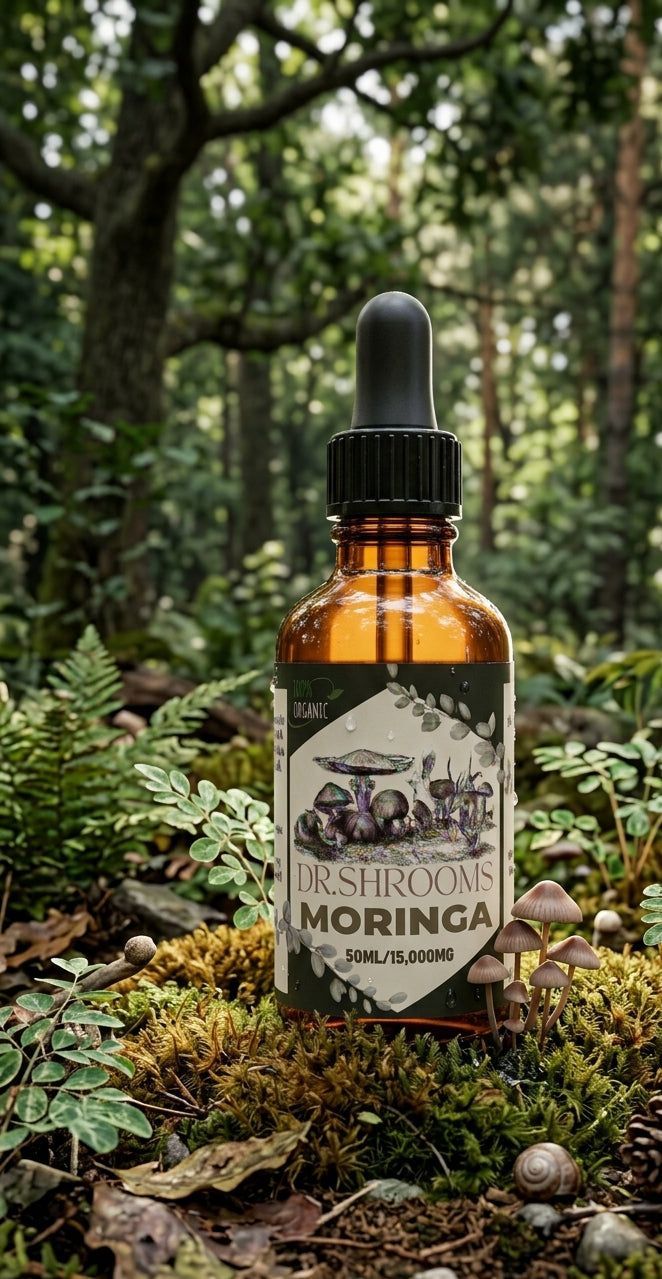
The “miracle tree” — nature’s green multivitamin.
Moringa has been used in Ayurvedic practice for over 4,000 years and is known across Africa and Asia as the “miracle tree”. Its leaves are among the most nutrient-dense of any plant, naturally containing a wide range of vitamins, minerals and amino acids.
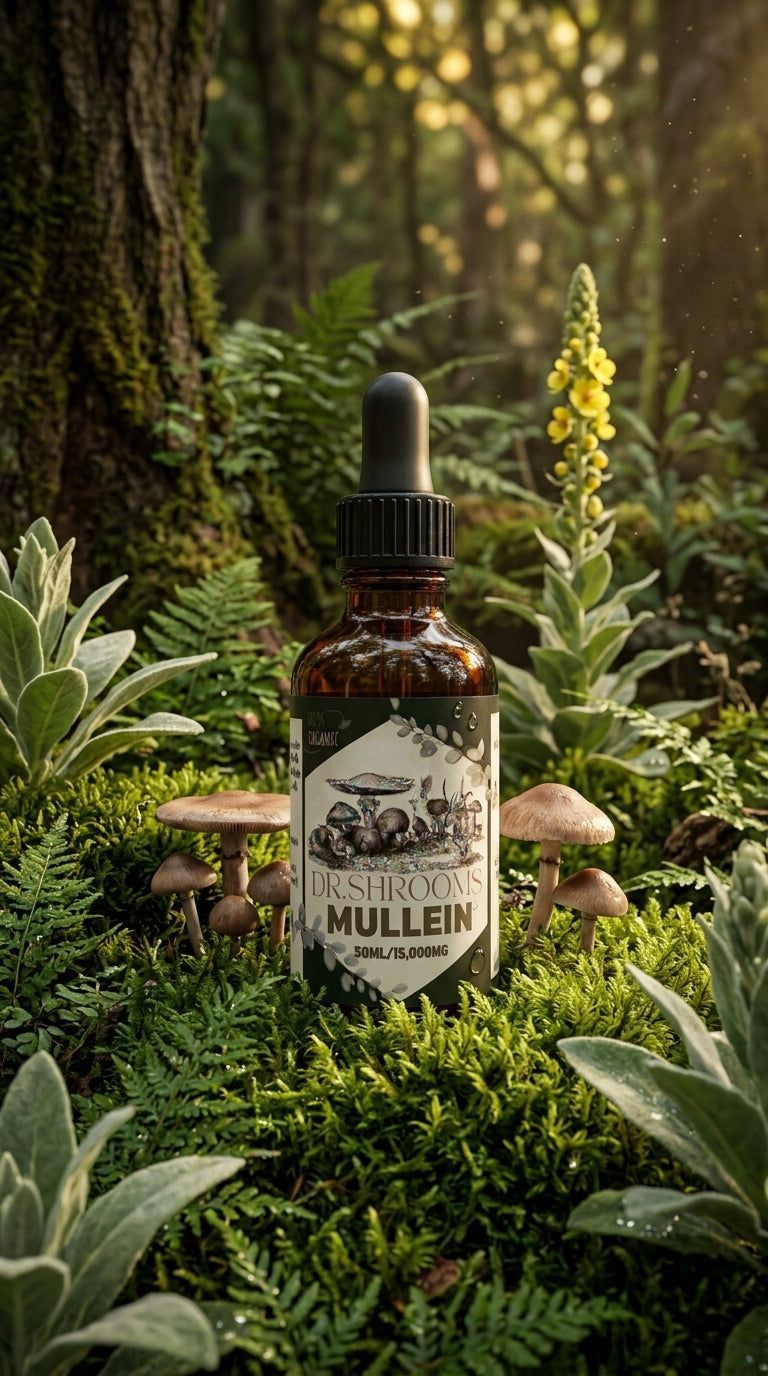
The velvet-leaf herb for the chest and throat.
Mullein, with its soft velvet leaves and tall yellow flower spikes, has been a traditional herb for the chest and throat for over 2,000 years across Europe and beyond. Its natural mucilage gives it its famously soothing character.
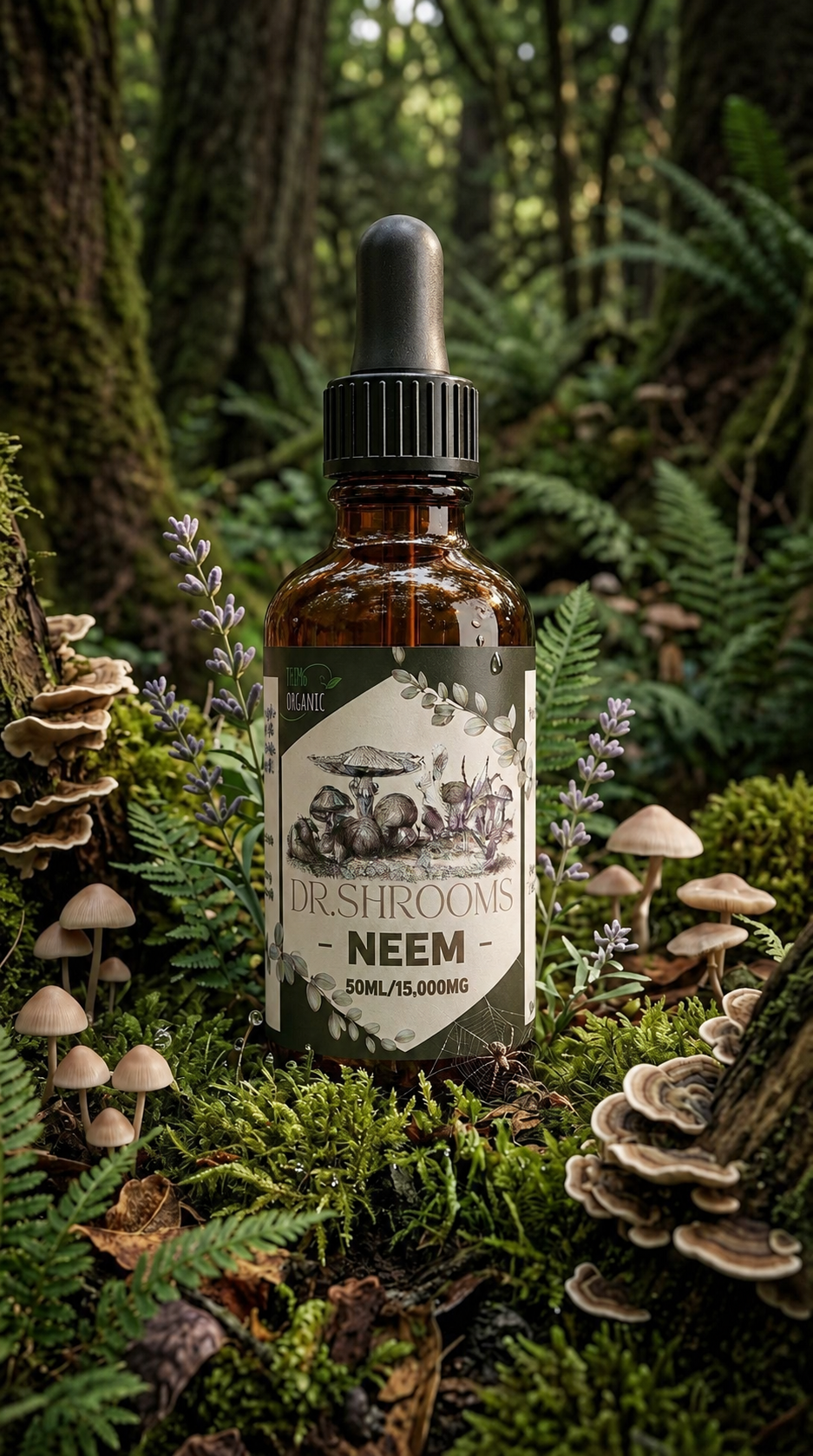
The “village pharmacy” of India.
Neem has been called the “village pharmacy” of India for centuries. In Ayurveda it is known as a Rakta Shodhaka — a purifier — and its famously bitter leaves are traditionally used to support clear skin and the body’s natural cleansing processes.
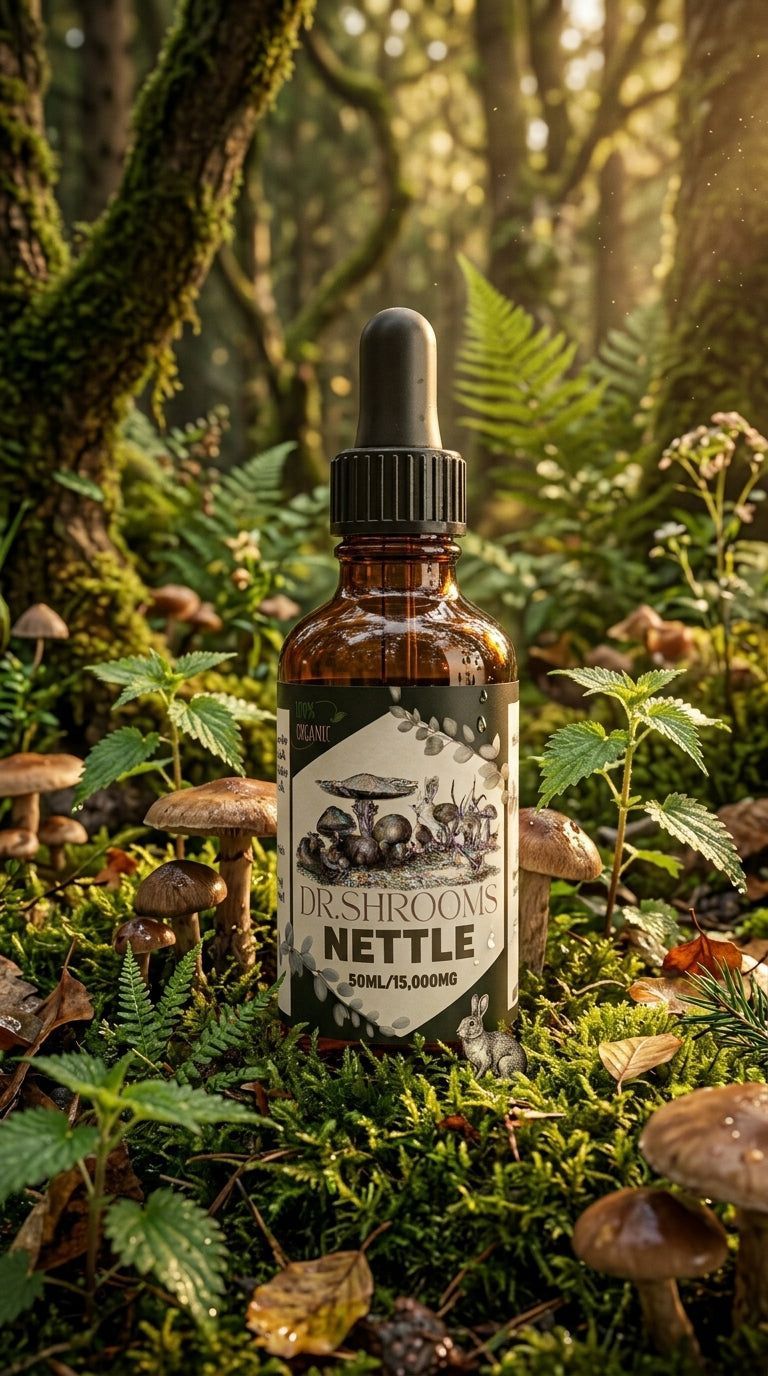
The mineral-rich spring green.
Stinging nettle has been gathered in spring for at least 2,000 years, used across Europe as a tonic, a food and a traditional herb. It is one of the most mineral-rich plants in the wild — and our tincture is made from fresh spring nettle, harvested at its peak.
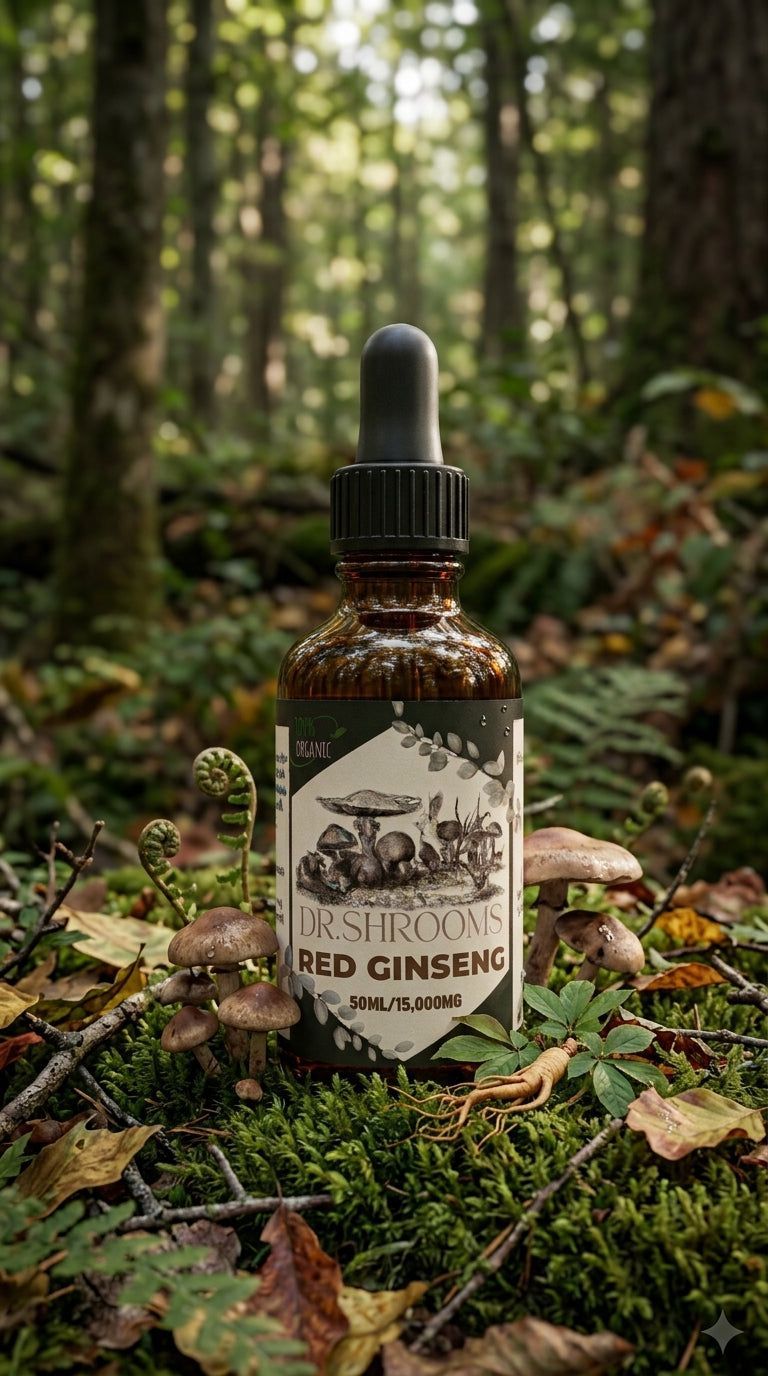
The world’s most time-honoured tonic root.
Korean red ginseng has been treasured for thousands of years as the king of tonic herbs. “Red” ginseng is made by steaming the root before drying — a traditional process that creates distinctive ginsenosides not found in raw white ginseng.
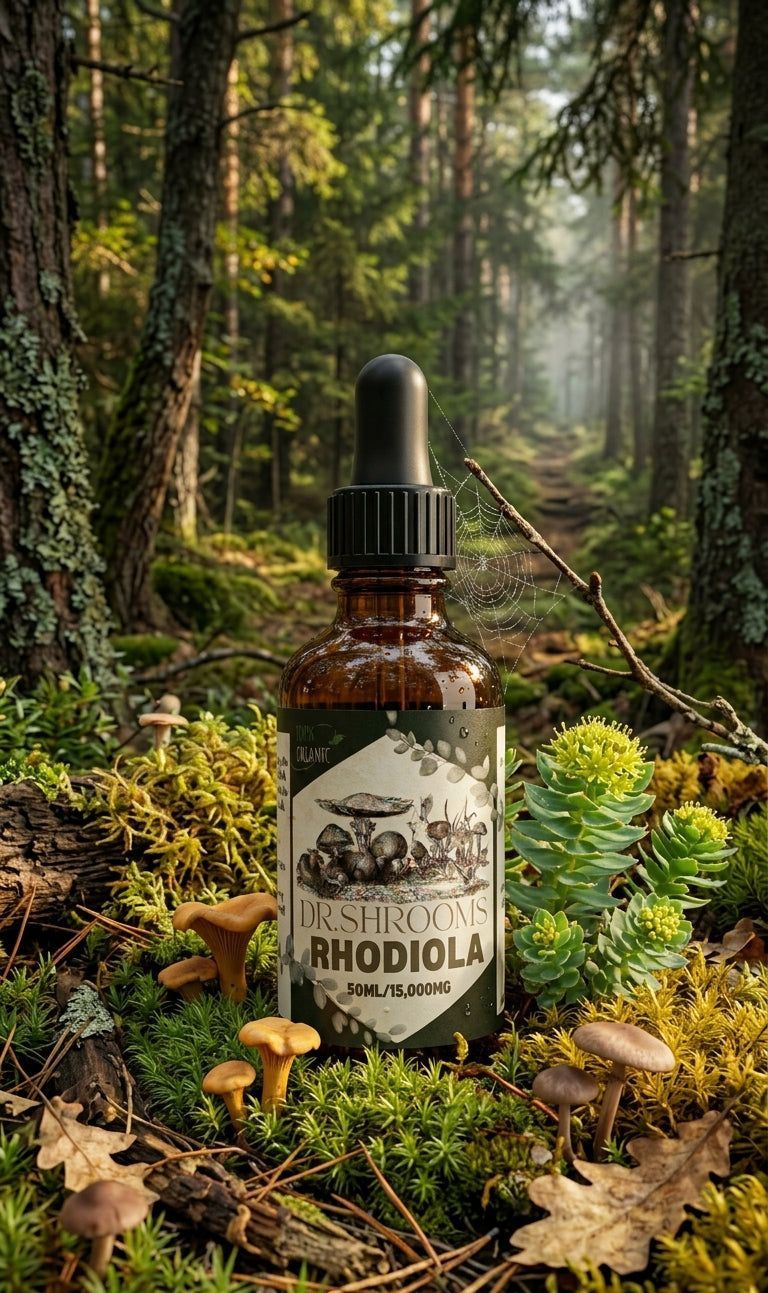
The golden root of the Arctic.
Rhodiola rosea grows in the harsh cold of the Arctic and high mountains, and has been used for centuries by Scandinavian and Siberian peoples to stay strong through long, hard winters. It is one of the world’s most studied adaptogens.
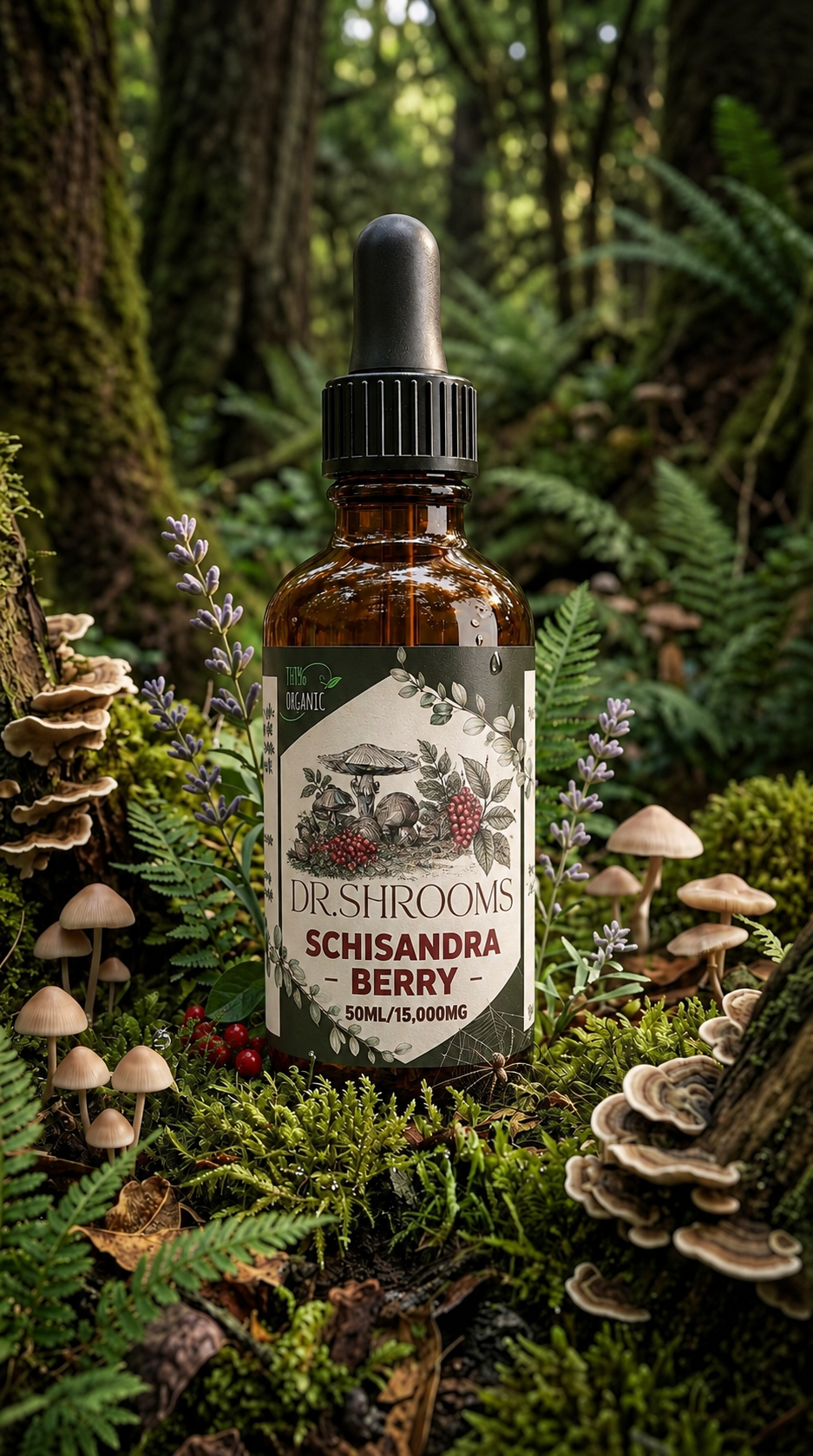
The five-flavour berry.
In Traditional Chinese Medicine, Schisandra is Wu Wei Zi — the “five-flavour fruit” — because a single berry is sour, bitter, sweet, salty and pungent at once. It was traditionally said to nourish every major organ system, and it is valued today as an adaptogen and a tonic for the liver.
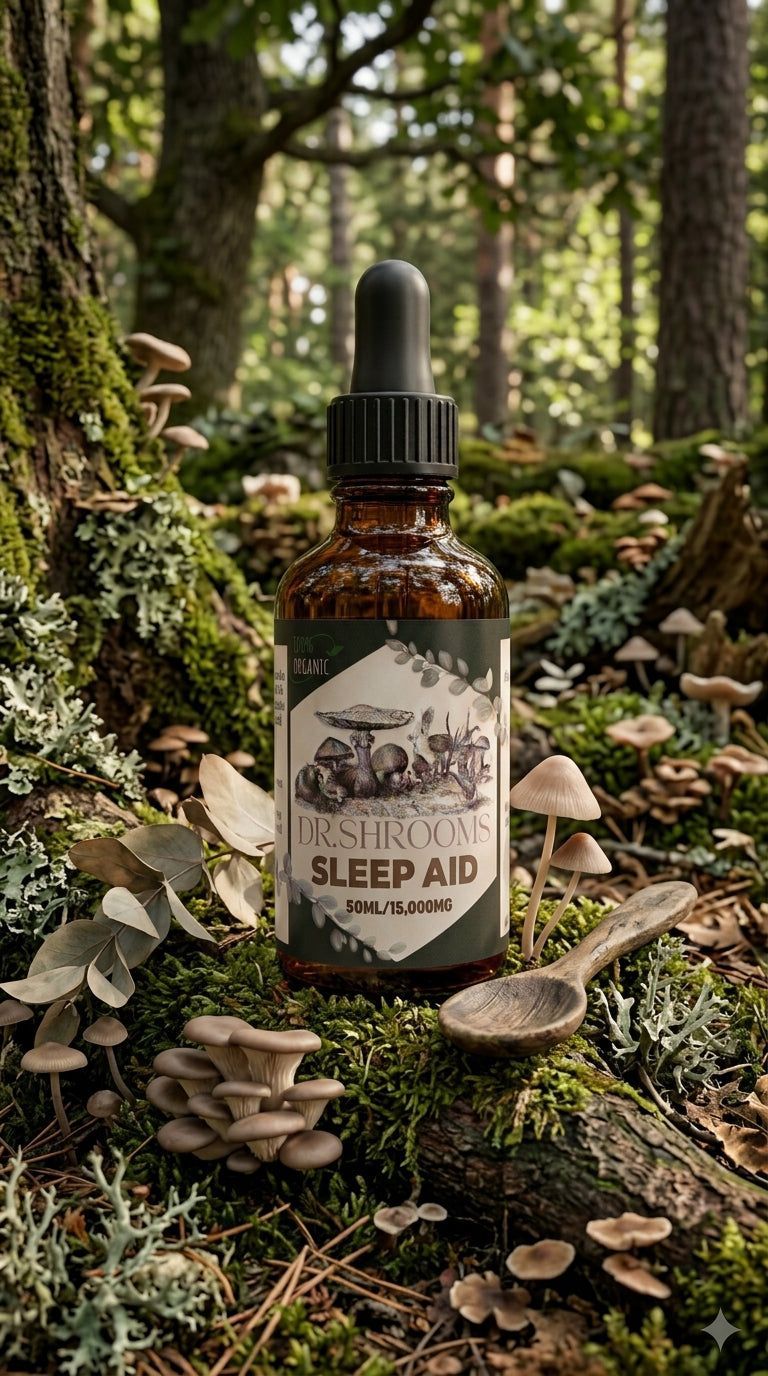
Four classic evening herbs, beautifully balanced.
A calming evening blend of four of Europe’s most traditional bedtime herbs: valerian, passionflower, chamomile and lemon balm. For centuries these herbs have been taken as night-time infusions to help people unwind — here they are carefully balanced in one tincture.
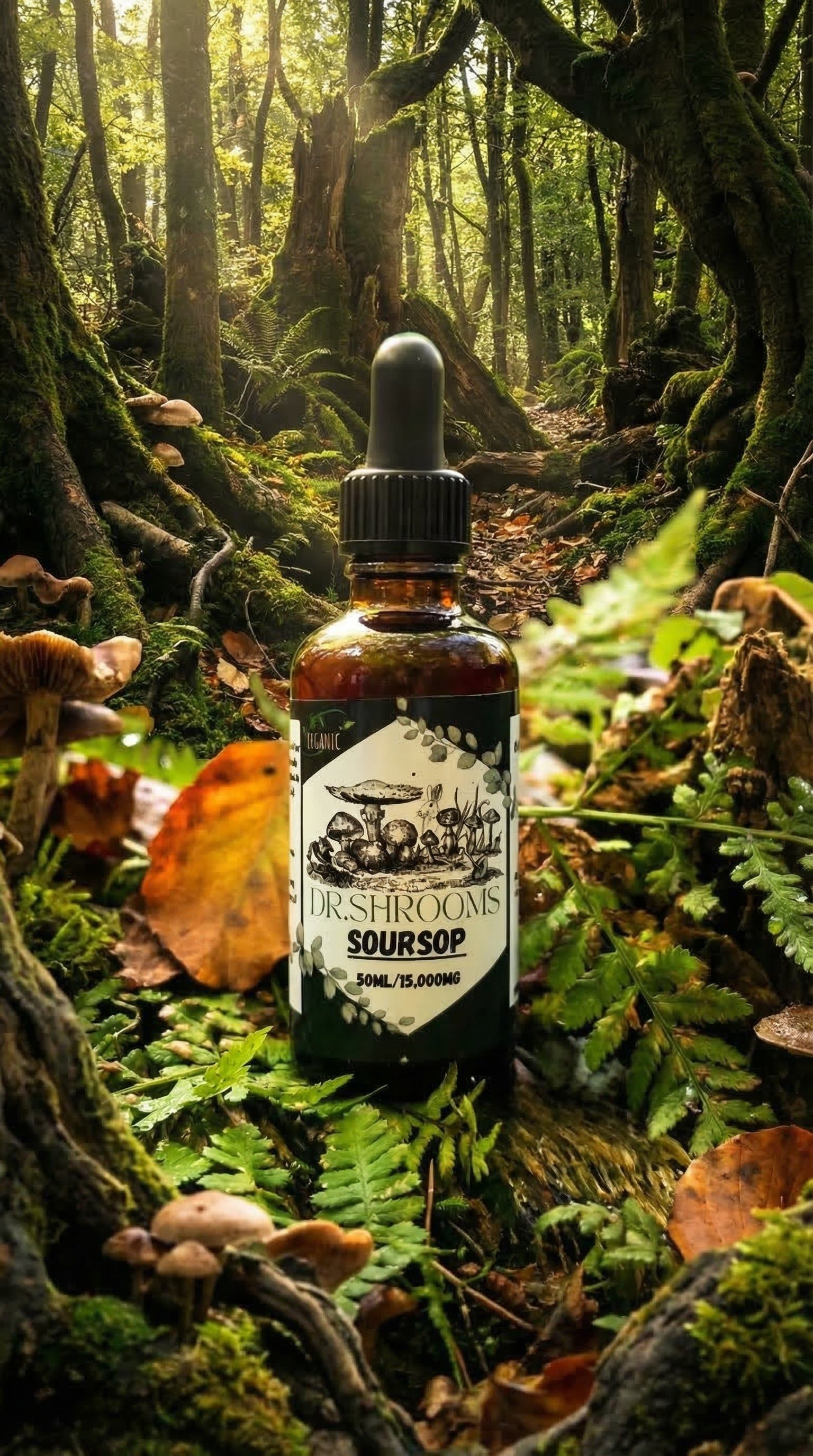
A treasured leaf of Caribbean tradition.
Soursop (Annona muricata), also known as graviola, grows across the Caribbean and the Amazon, where its leaves have been brewed as a traditional tea for generations. Naturally rich in antioxidant compounds, it is a much-loved herb in tropical traditions.
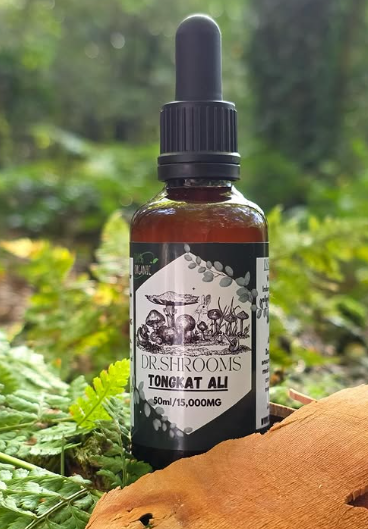
Southeast Asia’s legendary vitality root.
Tongkat Ali (Eurycoma longifolia) grows in the rainforests of Malaysia and Indonesia, where its root has been used for generations as a traditional tonic for men’s vitality, energy and drive.
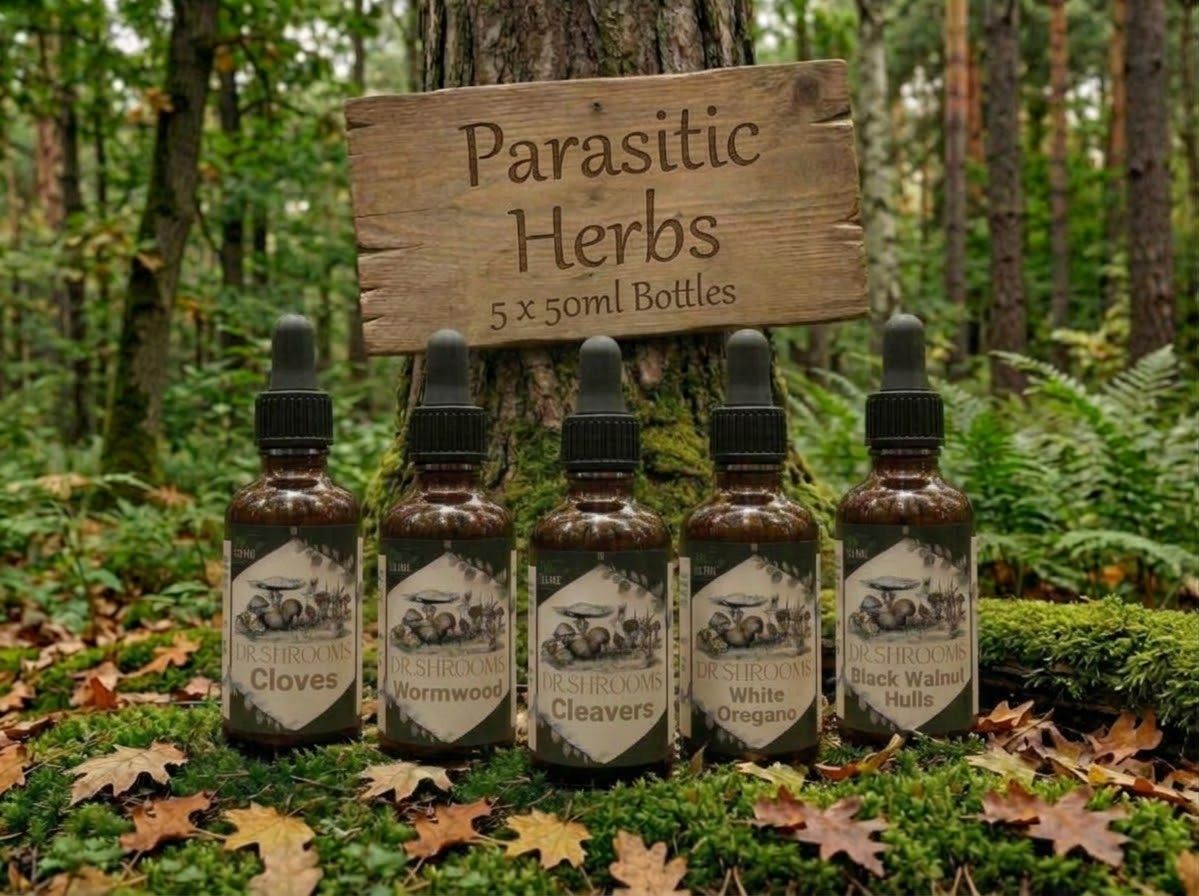
Five traditional herbs. One structured seasonal protocol.
A complete herbal cleanse kit bringing together five herbs traditionally used for generations in gut-cleansing protocols: Wormwood, Black Walnut Hull, Clove, White Oregano and Cleavers. Rather than a single ingredient, it is a structured protocol, with a clear guide included so you know exactly what to take and when.